Elegantly Precise Microsurgery with iStent infinite®
Content Guidance by Dr. Paul Singh and Dr. Deborah Ristvedt


Focused on pioneering innovative treatments for chronic eye disease, Glaukos has led the global ophthalmic market with an expansive portfolio of glaucoma therapies aimed at advancing the existing standard of care and improving the lives of patients worldwide.

TIMELINE OF INNOVATION
Paralleling Interventional Glaucoma: From Early MIGS to Infinite Possibilities
Nearly 15 years ago, minimally invasive glaucoma surgery (MIGS) marked a turning point in ophthalmic care.
2012

The first FDA-approved trabecular micro-bypass iStent launches in the US.
This launch represented a pivotal shift in cataract surgery, enabling ophthalmologists to address coexisting glaucoma in a safe and effective manner.
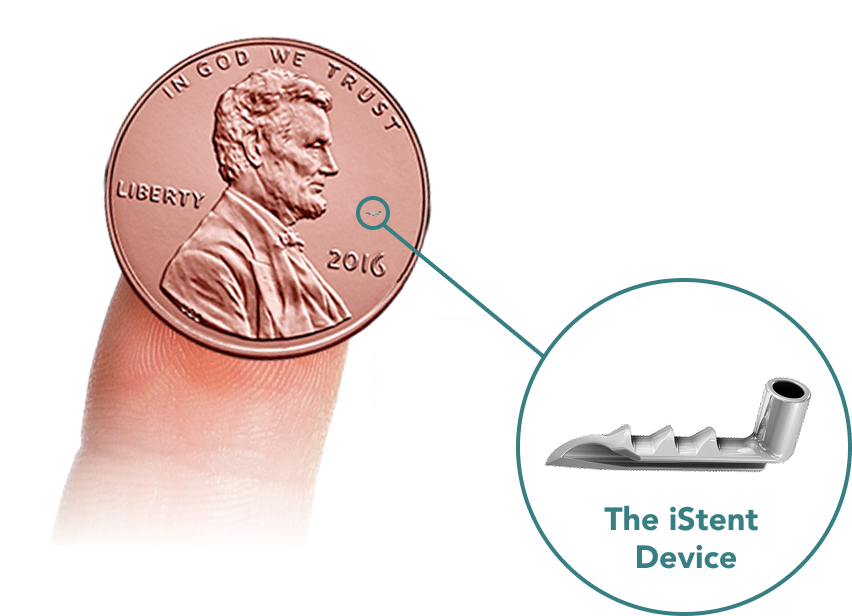

Approximately one in five cataract patients present with glaucoma.1
The iStent innovation provided a novel opportunity for simultaneous disease management for these patients.
2018
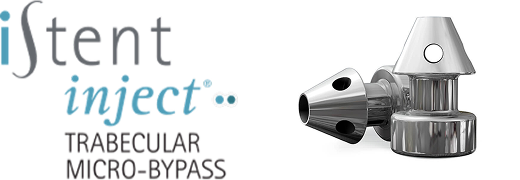
The Istent Inject is introduced
Featuring new implant architecture and a second preloaded stent, the iStent inject lays the groundwork for more modern innovation.
2020

iStent inject W is introduced
The addition of the iStent inject and iStent inject W expanded treatment options further. By implanting two stents to bypass the trabecular meshwork, these devices offered stronger intraocular pressure (IOP)–lowering results and reinforced what 2 decades of data have since confirmed: MIGS is a reliable, effective approach for stabilizing IOP and slowing disease progression with a proven safety profile.

Transitioning Beyond Combination Procedures
Initially, the use of iStent technologies was reserved for combination procedures performed at the time of cataract surgery. However, as technology and evidence evolved, the device’s role has expanded into the standalone setting. This transition presents unique challenges requiring surgeons to establish patient confidence in glaucoma intervention independent of cataract removal.
2022

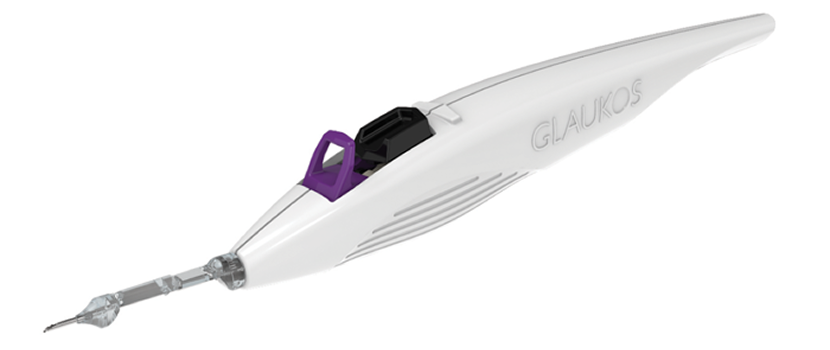
iStent infinite Launches
The pivotal trial evaluating the iStent infinite, a three-stent system provided the clinical validation that was critical to advancing adoption in a standalone setting.

Enrolled patients had moderate to severe glaucoma and elevated baseline IOP in the mid-20s mm Hg, were using multiple medications.

Despite this challenging patient profile, the study demonstrated a mean IOP reduction of 6.5 mm Hg with iStent infinite, confirming that substantial and sustained efficacy can be achieved outside the context of other procedures.
Highlighting the iStent Infinite
Proven results and safety are paramount when managing a difficult-to-treat disease. For eyes in which prior medical and surgical interventions have already failed, iStent infinite® demonstrates sustained efficacy in restoring physiologic outflow while minimizing tissue disruption.
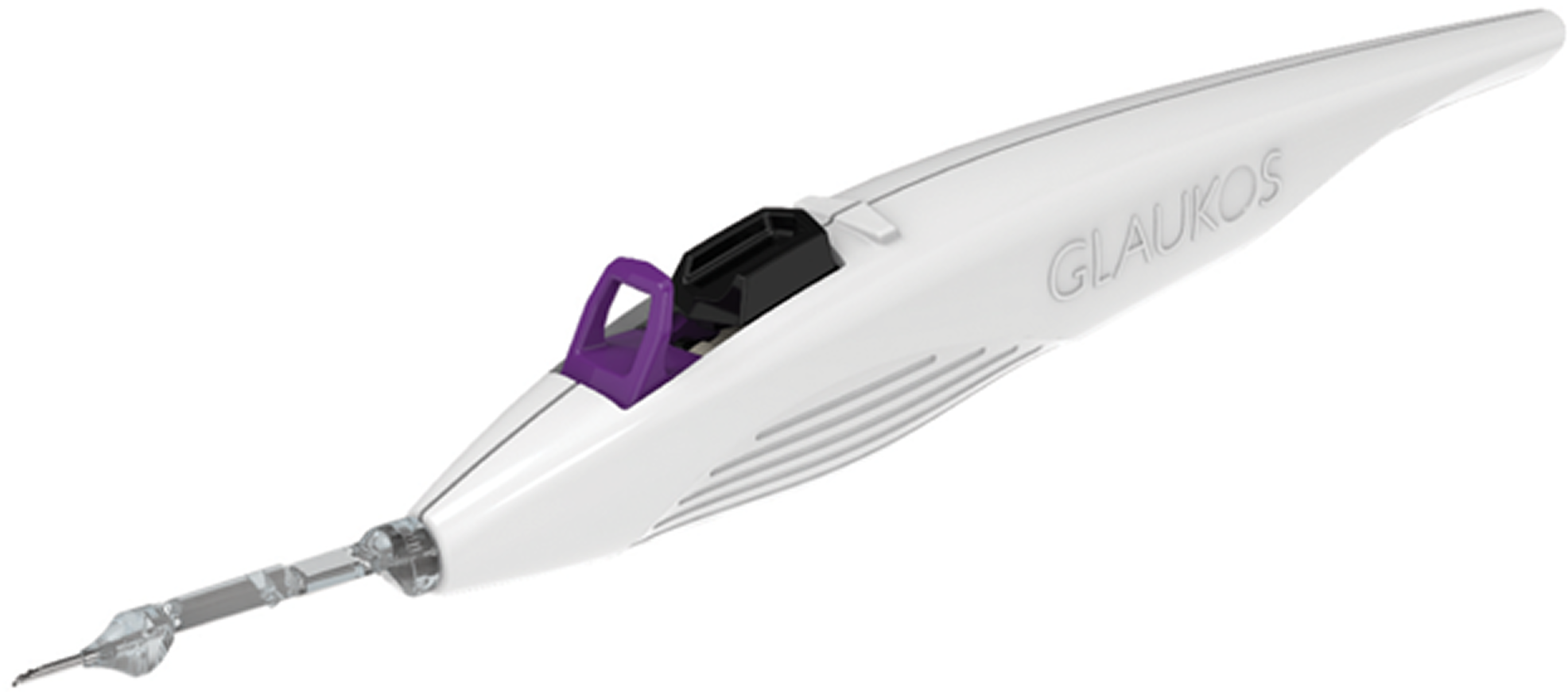

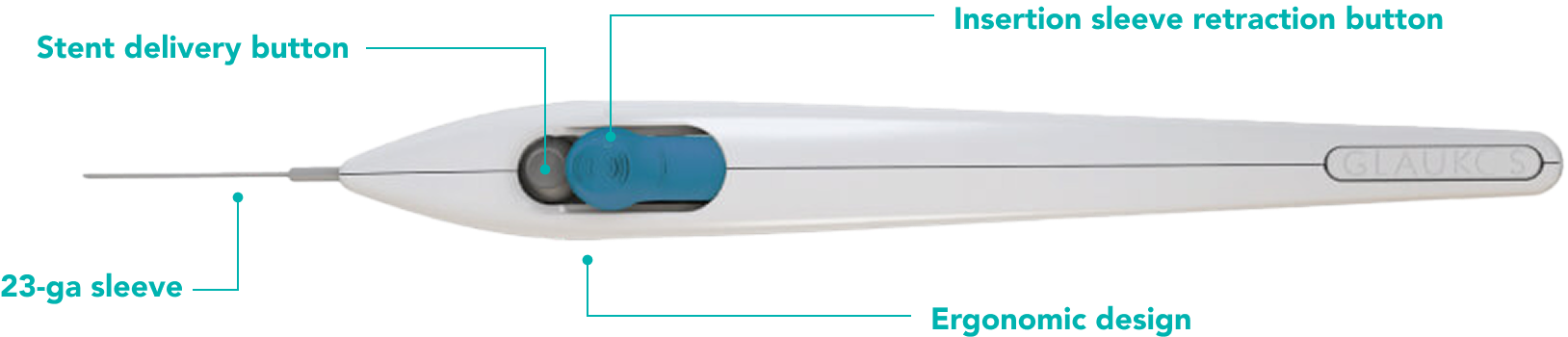
Auto-retracting introducer tip
Designed for seamless entry through the corneal incision and protection against viscoelastic egress during implantation, helping maintain a firm chamber.
Viewing windows
To visualize stent positioning in the insertion tube.

Auto-retracting introducer tip
Designed for seamless entry through the corneal incision and protection against viscoelastic egress during implantation, helping maintain a firm chamber.
Viewing windows
To visualize stent positioning in the insertion tube.
8° angled insertion tube
Designed to minimize incision interference and provide greater access to deliver stents widely.
Singulator
Designed to position and prepare each stent for deployment.
Stent delivery button
Designed for a smooth stent deployment with an unlimited number of delivery attempts.
Ergonomic Tapered Handpiece
For comfort and control.
Expanding the Surgical Mindset
For surgeons, the promise of the iStent infinite is in its name: infinite possibilities to treat glaucoma at later stages of disease progression. Yet, as with any surgical technology, technique matters. Mastery of angle-based procedures requires practice, precision, and an understanding of the nuances unique to each device. Whether a surgeon is just beginning their iStent journey or is already a seasoned expert, continual refinement is essential.
Case Studies
Scroll through the patient case studies below to learn how iStent infinite is improving outcomes.

Patient One
Age: 73
Sex: Male
Medical History: Glaucoma (lost to follow-up for several years), central retinal vein occlusion OS without neovascularization, cataracts OU, and reduced baseline visual acuity (20/40 OD and counting fingers at 2 ft OS)
Concomitant Medications: Brimonidine/timolol (Combigan®, AbbVie) and latanoprost.
Initial Presentation: High IOPs at 24 and 36 mmHg, respectively.
Treatment History
Summer 2021
Referred to Vance Thompson Vision by his primary optometrist with a Tmax of 50 and 52 mmHg.
Winter 2021
Patient underwent phacoemulsification and implantation of the Xen® Gel Stent (AbbVie) in both eyes.
- He initially achieved decent IOP control without medication.
- Two bleb needlings were performed within 12 months postoperatively, but his IOPs steadily rose to 30 and 22 mm Hg, prompting resumption of topical latanoprost.
Summer 2022
Both selective laser trabeculoplasty and a bimatoprost intracameral implant (Durysta®, AbbVie) had been tried in both eyes with modest results.
- A revision/replacement of the Xen stents brought the IOP to 12 and 13 mmHg.
2023
Pressures climbed to 18 and 36 mmHg on maximum medical therapy.
Pre-Surgical Image Findings
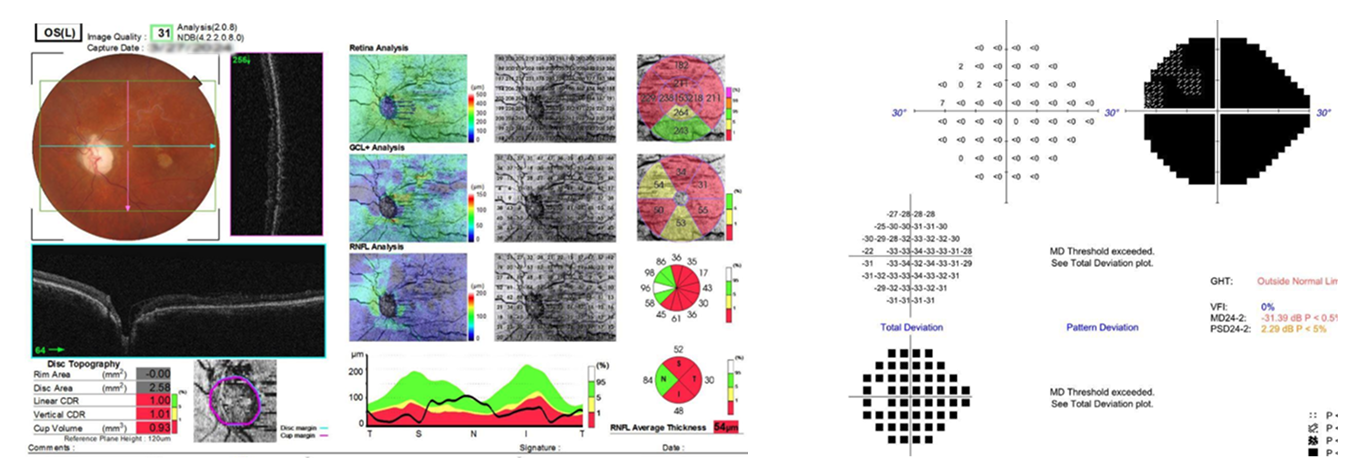

Options to Consider
At this point, it was clear that further intervention should be considered, including:

Additional drug delivery systems
Various laser modalities (endoscopic cyclophotocoagulation, Micropulse, transscleral cyclophotocoagulation)
Angle-based MIGS
iStent infinite
Tube shunt surgery

“Ultimately, given his extensive medical and surgical history, I felt his outcomes would be best optimized with iStent infinite.”
Deborah Ristvedt, DO
A tube shunt was considered given the patient’s short-term response to Xen. However, with the historical rates of failure and risks of hypotony and possible suprachoroidal hemorrhage associated with such devices2, the patient needed a more favorable safety profile.
Surgical Approach
The patient underwent iStent infinite implantation in his left eye.

1st Stent Placement

2nd Stent Placement

3rd Stent Placement
Post Surgical
Postoperative IOP remained well controlled throughout the year on Combigan OS. On day 1, IOPs were 12 mmHg and remained in the low teens for the entire follow-up period, reaching as low as 10 mmHg OU at month 3, before stabilizing around 13 mmHg OU at his 12-month visit.
Individual Results May Vary

This sustained reduction illustrates the potential of iStent infinite to provide significant long-term IOP control in patients with complex and difficult-to-control disease and a history of previous surgeries.
iStent Infinite Technology

Patient Two
Age: 72
Sex: Female
Medical History: Moderate primary open-angle glaucoma (monitored)
Concomitant Medications: Prescribed four topical agents but struggled to adhere to her drop regimen.
Physician's Note: Frequently requested samples, trouble recalling the names of her medications, and fluctuating vision with ocular surface irritation.
Initial Presentation: Fluctuating IOP in the low 20s mmHg
Treatment History
2015
Uncomplicated cataract surgery without concurrent MIGS.
Prior to 2022
Two selective laser trabeculoplasty treatments reduced her burden to dual therapy with a prostaglandin analogue and a beta-blocker, helping to maintain her IOP in the mid-teens for approximately 2 years.
2024
Over the years, the patient's IOP began to rise into the upper 20s mmHg despite maximum medical therapy.
- A Xen® Gel Stent (AbbVie) was placed and initially provided effective IOP reduction and medication independence. However, within 6 months, the bleb flattened and developed significant fibrosis.
- Despite several needling procedures, her IOP rose to uncontrolled levels on multiple topical agents.
- Patient was referred to my practice for further management
Interventional Glaucoma with iStent Infinite
Select a Segment
Options to Consider

Given the superior conjunctival fibrosis and her concern about postoperative healing, a decision was made to avoid repeat subconjunctival surgery and instead target the conventional outflow pathway.
The primary objective was to achieve a safe and sustainable IOP reduction with the understanding that adjunctive topical therapy might still be necessary. Using the iStent infinite, three trabecular micro-bypass stents were implanted into the trabecular meshwork across 6 clock hours.
Post Operative Outcome
- The postoperative course was uneventful.
- The patient required only a short, 2-week course of topical corticosteroids.
- Within weeks, her IOP stabilized in the mid-teens (15 mmHg), and she remained stable on a single nightly drop of latanoprost/netarsudil (RocklatanTM, Alcon) for more than 1 year.
- Visual fields were unchanged and optic nerve status remained stable. Most importantly, the patient expressed satisfaction with her improved quality of life and reduced treatment burden.
Individual Results May Vary

This case highlights the role of iStent infinite as a viable option after prior surgical interventions, particularly in standalone cases, including failed subconjunctival filtration. By reengaging the conventional outflow pathway, the device provided meaningful IOP reduction and simplified the medication regimen for a patient with a complex surgical history. For surgeons, this reinforces the value of MIGS not only in earlier stages of disease but also as a revisional strategy when other surgical modalities have failed.*
*Individual results may vary.
Looking Ahead
From the first single stent to today’s three-stent standalone options, Glaukos has dramatically expanded the treatment landscape for patients with glaucoma. With strong data supporting both safety and efficacy, these evolving treatment options continue to enhance glaucoma care, offering patients earlier intervention, broader treatment choices, and renewed hope for long-term disease management.
iStent Infinite: Real-World Data


References:
1.) Mackert, M.J. (2023). Cataract and Glaucoma. In: Shajari, M., Priglinger, S., Kohnen, T., Kreutzer, T.C., Mayer, W.J. (eds) Cataract and Lens Surgery. Springer, Cham. https://doi.org/10.1007/978-3-031-05394-8_69
2.) Tuli SS, WuDunn D, Ciulla TA, Cantor LB. Delayed suprachoroidal hemorrhage after glaucoma filtration procedures. Ophthalmology. 2001 Oct;108(10):1808-11. doi: 10.1016/s0161-6420(01)00763-1. PMID: 11581053.
iStent infinite® Important Safety Information
INDICATION FOR USE. The iStent infinite® Trabecular Micro-Bypass System Model iS3 is an implantable device intended to reduce the intraocular pressure (IOP) of the eye. It is indicated for use in adult patients with primary open-angle glaucoma in whom previous medical and surgical treatment has failed.
CONTRAINDICATIONS. The iStent infinite is contraindicated in eyes with angle-closure glaucoma where the angle has not been surgically opened, acute traumatic, malignant, active uveitic, or active neovascular glaucoma, discernible congenital anomalies of the anterior chamber (AC) angle, retrobulbar tumor, thyroid eye disease, or Sturge-Weber Syndrome or any other type of condition that may cause elevated episcleral venous pressure.
WARNINGS. Gonioscopy should be performed prior to surgery to exclude congenital anomalies of the angle, PAS, rubeosis, or conditions that would prohibit adequate visualization that could lead to improper placement of the stent and pose a hazard.
MRI INFORMATION. The iStent infinite is MRConditional, i.e., the device is safe for use in a specified MR environment under specified conditions; please see Directions for Use (DFU) label for details. PRECAUTIONS. The surgeon should monitor the patient postoperatively for proper maintenance of IOP. Three out of 61 participants (4.9%) in the pivotal clinical trial were phakic. Therefore, there is insufficient evidence to determine whether the clinical performance of the device may be different in those who are phakic versus in those who are pseudophakic.
ADVERSE EVENTS. The most common postoperative adverse events reported in the iStent infinite pivotal trial included IOP increase ≥ 10 mmHg vs. baseline IOP (8.2%), loss of BSCVA ≥ 2 lines (11.5%), ocular surface disease (11.5%), perioperative inflammation (6.6%) and visual field loss ≥ 2.5 dB (6.6%).
CAUTION: Federal law restricts this device to sale by, or on the order of, a physician. Please see DFU for a complete list of contraindications, warnings, precautions, and adverse events.
iStent inject® W Important Safety Information
INDICATION FOR USE.
The iStent inject Trabecular Micro-Bypass System Model G2-W is indicated for use in conjunction with cataract surgery for the reduction of intraocular pressure (IOP) in adult patients with mild to moderate primary open-angle glaucoma.
CONTRAINDICATIONS.
The iStent inject Trabecular Micro-Bypass System Model G2-W is contraindicated under the following circumstances or conditions:
- In eyes with angle closure glaucoma
- In eyes with traumatic, malignant, uveitic, or neovascular glaucoma or discernible congenital anomalies of the anterior chamber (AC) angle
- In patients with retrobulbar tumor, thyroid eye disease, Sturge-Weber Syndrome or any other type of condition that may cause elevated episcleral venous pressure
WARNINGS
Gonioscopy should be performed prior to surgery to exclude congenital anomalies of the angle, PAS, rubeosis, or conditions that would prohibit adequate visualization of the angle that could lead to improper placement of the stent and pose a hazard.
MRI INFORMATION
The iStent inject® W is MR-Conditional, i.e., the device is safe for use in a specified MR environment under specified conditions; please see Directions for Use (DFU) label for details.
PRECAUTIONS
The surgeon should monitor the patient postoperatively for proper maintenance of IOP. The safety and effectiveness of the iStent inject® W have not been established as an alternative to the primary treatment of glaucoma with medications, in children, in eyes with significant prior trauma, abnormal anterior segment, chronic inflammation, prior glaucoma surgery (except SLT performed > 90 days preoperative), glaucoma associated with vascular disorders, pseudoexfoliative, pigmentary or other secondary open-angle glaucomas, pseudophakic eyes, phakic eyes without concomitant cataract surgery or with complicated cataract surgery, eyes with medicated IOP > 24 mmHg or unmedicated IOP < 21 mmHg or > 36 mmHg, or for implantation of more or less than two stents.
ADVERSE EVENTS
Common postoperative adverse events reported in the iStent inject® randomized pivotal trial included stent obstruction (6.2%), intraocular inflammation (5.7% for iStent inject® vs. 4.2% for cataract surgery only), secondary surgical intervention (5.4% vs. 5.0%) and BCVA loss ≥ 2 lines ≥ 3 months (2.6% vs. 4.2%).
CAUTION
Federal law restricts this device to sale by, or on the order of, a physician. Please see DFU for a complete list of contraindications, warnings, precautions, and adverse events.
iStent inject® Trabecular Micro-bypass System
INDICATION FOR USE. The iStent inject® Trabecular Micro-Bypass System Model G2-M-IS is indicated for use in conjunction with cataract surgery for the reduction of intraocular pressure (IOP) in adult patients with mild to moderate primary open-angle glaucoma.
CONTRAINDICATIONS. The iStent inject is contraindicated in eyes with angle-closure glaucoma, traumatic, malignant, uveitic, or neovascular glaucoma, discernible congenital anomalies of the anterior chamber (AC) angle, retrobulbar tumor, thyroid eye disease, or Sturge-Weber Syndrome or any other type of condition that may cause elevated episcleral venous pressure.
WARNINGS. Gonioscopy should be performed prior to surgery to exclude congenital anomalies of the angle, PAS, rubeosis, or conditions that would prohibit adequate visualization of the angle that could lead to improper placement of the stent and pose a hazard.
MRI INFORMATION. The iStent inject is MR-Conditional, i.e., the device is safe for use in a specified MR environment under specified conditions; please see Directions for Use (DFU) label for details.
PRECAUTIONS. The surgeon should monitor the patient postoperatively for proper maintenance of IOP. The safety and effectiveness of the iStent inject have not been established as an alternative to the primary treatment of glaucoma with medications, in children, in eyes with significant prior trauma, abnormal anterior segment, chronic inflammation, prior glaucoma surgery (except SLT performed > 90 days preoperative), glaucoma associated with vascular disorders, pseudoexfoliative, pigmentary or other secondary open-angle glaucomas, pseudophakic eyes, phakic eyes without concomitant cataract surgery or with complicated cataract surgery, eyes with medicated IOP > 24 mmHg or unmedicated IOP < 21 mmHg or > 36 mmHg, or for implantation of more or less than two stents.
ADVERSE EVENTS. Common postoperative adverse events reported in the randomized pivotal trial included stent obstruction (6.2%), intraocular inflammation (5.7% for iStent inject vs. 4.2% for cataract surgery only), secondary surgical intervention (5.4% vs. 5.0%) and BCVA loss ≥ 2 lines ≥ 3 months (2.6% vs. 4.2%). CAUTION: Federal law restricts this device to sale by, or on the order of, a physician. Please see DFU for a complete list of contraindications, warnings, precautions, and adverse events.
iStent® Trabecular Micro-Bypass System
INDICATION FOR USE. The iStent Trabecular Micro-Bypass Stent (Models GTS100R and GTS100L) is indicated for use in conjunction with cataract surgery for the reduction of intraocular pressure (IOP) in adult patients with mild to moderate open-angle glaucoma currently treated with ocular hypotensive medication.
CONTRAINDICATIONS. The iStent® is contraindicated in eyes with primary or secondary angle closure glaucoma, including neovascular glaucoma, as well as in patients with retrobulbar tumor, thyroid eye disease, Sturge-Weber Syndrome or any other type of condition that may cause elevated episcleral venous pressure.
WARNINGS. Gonioscopy should be performed prior to surgery to exclude PAS, rubeosis, and other angle abnormalities or conditions that would prohibit adequate visualization of the angle that could lead to improper placement of the stent and pose a hazard. The iStent® is MR-Conditional meaning that the device is safe for use in a specified MR environment under specified conditions, please see label for details.
PRECAUTIONS. The surgeon should monitor the patient postoperatively for proper maintenance of intraocular pressure. The safety and effectiveness of the iStent® has not been established as an alternative to the primary treatment of glaucoma with medications, in children, in eyes with significant prior trauma, chronic inflammation, or an abnormal anterior segment, in pseudophakic patients with glaucoma, in patients with pseudoexfoliative glaucoma, pigmentary, and uveitic glaucoma, in patients with unmedicated IOP less than 22 mmHg or greater than 36 mmHg after washout of medications, or in patients with prior glaucoma surgery of any type including argon laser trabeculoplasty, for implantation of more than a single stent, after complications during cataract surgery, and when implantation has been without concomitant cataract surgery with IOL implantation for visually significant cataract.
ADVERSE EVENTS. The most common post-operative adverse events reported in the randomized pivotal trial included early post-operative corneal edema (8%), BCVA loss of = 1 line at or after the 3 month visit (7%), posterior capsular opacification (6%), stent obstruction (4%) early post-operative anterior chamber cells (3%), and early post-operative corneal abrasion (3%). Please refer to Directions for Use for additional adverse event information.
CAUTION. Federal law restricts this device to sale by, or on the order of, a physician. Please reference the Directions for Use labeling for a complete list of contraindications, warnings, precautions, and adverse events.
All participants have been compensated by Glaukos for their participation.
Third-party marks are property of their respective owners.
PM-US-3239