


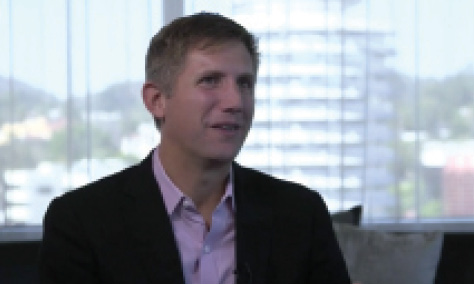
Figure 1. Drs. Solomon and Wiley discuss why it is important to review with patients what scenarios may come into play if the original surgical plan cannot be achieved or if other issues arise.
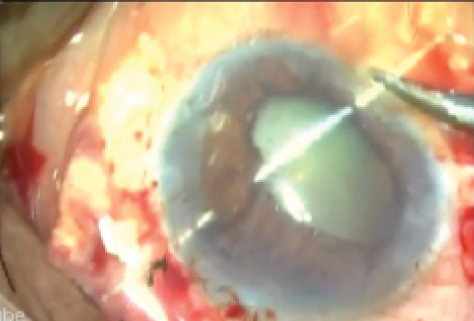
Figure 2. A challenging case of a traumatic cataract and iridodialysis.
Ophthalmic surgery is a multifaceted and dynamic event that often encompasses the highest highs and the lowest lows in a glaucoma practice. Surgery can be tremendously effective and rewarding for patients and surgeons. Despite the remarkable progress made in surgical techniques, complications and unexpected outcomes can still yield devastating consequences, which is why surgeons can never be too prepared.
BE PREPARED
Two videos on the cataract channel of Eyetube.net reminded me of the importance of preparing both my patient and myself for all that surgery can entail. The first, “So, You Had a Bad Day,” is a discussion between Jonathan Solomon, MD, and William Wiley, MD, about a patient who is unhappy with his or her astigmatic correction at the time of cataract surgery (view the video at http://bit.ly/1Lo8CIb; Figure 1). Drs. Solomon and Wiley discuss why it is important to review with patients what may be done if the original plan cannot be achieved or if other issues arise. Although this topic may seem far afield from glaucoma surgery, it is conceptually relevant. More than one surgeon has been surprised by patients’ expectations for improved vision following tube shunt surgery. Glaucoma surgeons therefore must know how to have effective preoperative discussions with stressed patients so that they retain the content of the talk and understand the postoperative course and recovery time.
Thanks to the Internet, many glaucoma patients come to their physicians with some knowledge of glaucoma surgeries and often have a specific procedure and expected outcome in mind. Not every planned procedure can be completed with the expected outcome for all patients each time, even in the best of hands, which is why it is imperative to address these and similar issues with patients preoperatively. Although some aspects of the video, such as paying extra for services not covered by insurance, may seem foreign to glaucoma surgeons, aligning patients’ expectations with potential outcomes is a necessary task for all surgeons. Examples might include a patient in whom a trabecular microbypass stent cannot be placed at the time of surgery and a patient in whom poor tissue necessitates the substitution of a tube shunt for a planned trabeculectomy.
The second video, “Iatrogenic Iridodialysis,” comes from Robert H. Osher, MD, editor of the Video Journal of Cataract and Refractive Surgery. A challenging case of a traumatic cataract and iridodialysis is shown (view the video at http://bit.ly/1krFMhi; Figure 2). The case does not proceed as planned, and the surgeon shows remarkable resilience and preparedness for every issue that arises. Not every ophthalmologist would have approached each step in the same way, but all surgeons should be mentally prepared preoperatively to deal with unexpected events, from broken capsules to patients sitting up in the middle of the procedure. Sometimes, just stabilizing the situation and then referring the patient to the right doctor may be the best plan. Having these and other strategies in mind before and during surgery can help optimize outcomes, especially when things are going poorly. Like carrying an umbrella, planning for the worst may help ward off trouble.
CONCLUSION
Glaucoma surgery is often not as routine and predictable as cataract surgery, yet the expectations of our patients, just like those of cataract patients, continue to increase with regard to outcomes, timing, and interventions. As highlighted in these two videos, both patients and surgeons need to have in mind, not just the best-case scenario, but also the range of scenarios that may arise during and after surgery. Not every situation can be anticipated, but time spent considering possibilities may be quite valuable for both the patient and the surgeon. n
Section Editor Soosan Jacob, MS, FRCS, DNB, is a senior consultant ophthalmologist at Dr. Agarwal’s Eye Hospital in Chennai, India.

Section Editor Jonathan S. Myers, MD, is an associate attending surgeon on the Glaucoma Service at Wills Eye Hospital and director of the Glaucoma Fellowship. Dr. Myers may be reached at (215) 928-3197; jmyers@willseye.org.
