


A decade or so ago, only about 0.1% of glaucoma surgeons were performing MIGS-type procedures. Fast-forward to today, and MIGS has become the most commonly performed glaucoma surgery in North America. As I reflect on this progress, I recognize not only the past forces that helped to build this revolution but also the ongoing nature of its evolution.
Over the years, those of us who desired to see a change in glaucoma care acknowledged the importance of adopting a new value system, from looking simply at IOP and disease progression to considering patients’ quality of life, comfort, convenience, and compliance. I would argue that developing the surgical technologies for MIGS has often been the more manageable endeavor—the cultural shift required for their acceptance and adoption is what’s most complicated.
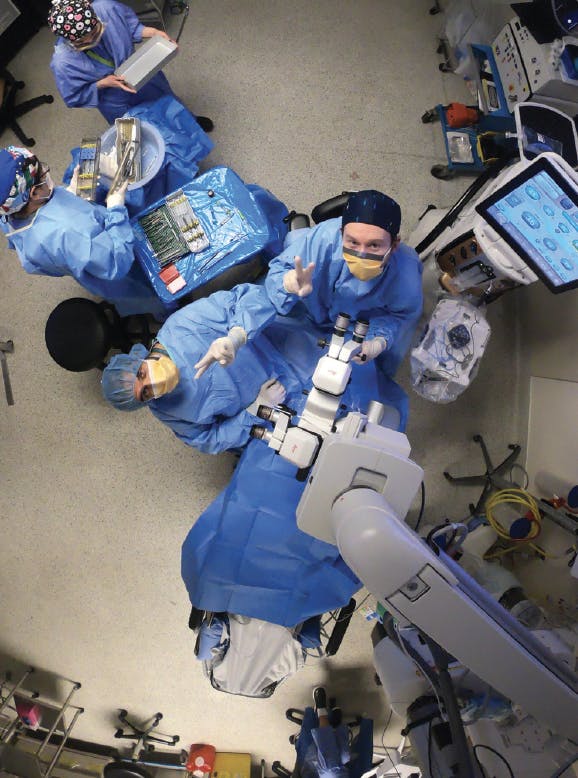
We have tried—and in many ways succeeded—to position glaucoma to be viewed as an interventional disease. I am proud that this approach moved through the early days of uncertainty and skepticism and is now backed by 5-year data showing its prevention of more invasive surgery, significant reductions in visual field progression, and an increased rate of medication-free patients. Outcomes likes these will continue to alter the way we collectively think and talk about glaucoma.
But, this change paradigm is a work in progress, and resistance still exists. As we continue to lead the charge for an updated value system, we must ensure that we are backing it up with solid evidence. Glaucoma is not a one-stop deal. I encourage my colleagues to play the long game rather than simply focusing on short-term outcomes. That is how we change the field, and that is where we still have a way to go.
Let’s keep this revolution in evolution.

