Over the course of 1 week in June, a large multidisciplinary outreach team traveled with the Syrian American Medical Society (SAMS) to Jordan to provide care to thousands of patients among the most vulnerable refugee populations. Zaiba Malik, MD, who specializes in comprehensive and global ophthalmology, was one of six ophthalmologists who made the trip. This eye care team was part of a group of almost 90 physicians and students working in a range of medical specialties, including dentistry, internal medicine, pediatrics, dermatology, emergency medicine, and mental health (Figure 1).
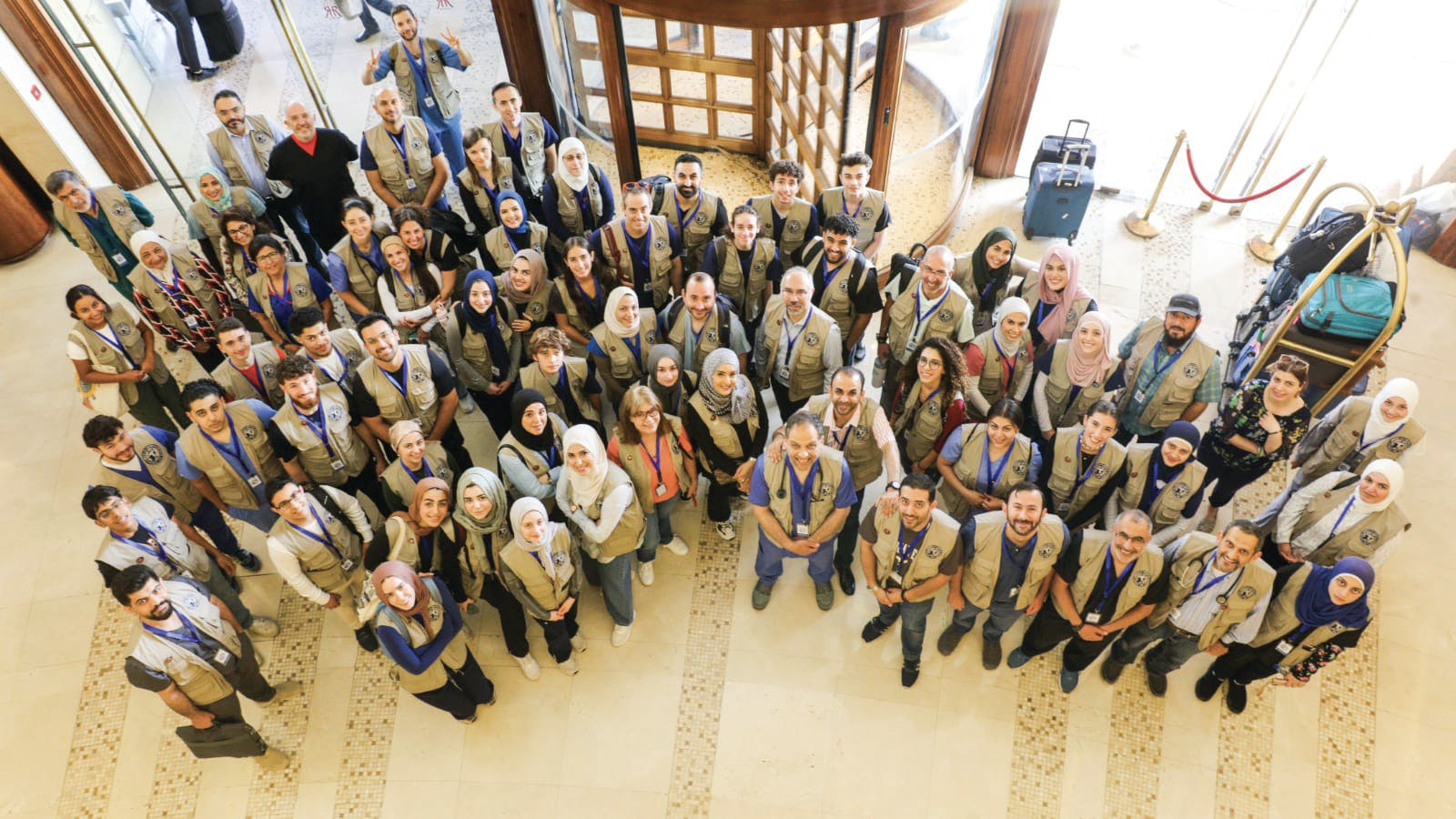
Figure 1. A team of almost 90 physicians and students across multiple medical specialties traveled with the Syrian American Medical Society to Jordan to provide care for vulnerable refugee populations.
The eye care team worked at Middle East Eye Hospital, where patients had been prescreened and were awaiting consultation or treatment. During their visit, the eye care providers performed cataract surgeries, strabismus surgeries, intravitreal injections, laser treatments, and retinal surgeries (Figure 2). Overall, the outreach team was able to provide medical services to 3,200 people, performing 126 dental surgeries, five reconstructive surgeries, 33 general surgeries, 206 ophthalmic surgeries, 45 endoscopic procedures, and 52 interventional cardiac procedures. The campaign also focused on capacity-building programs for health care workers.
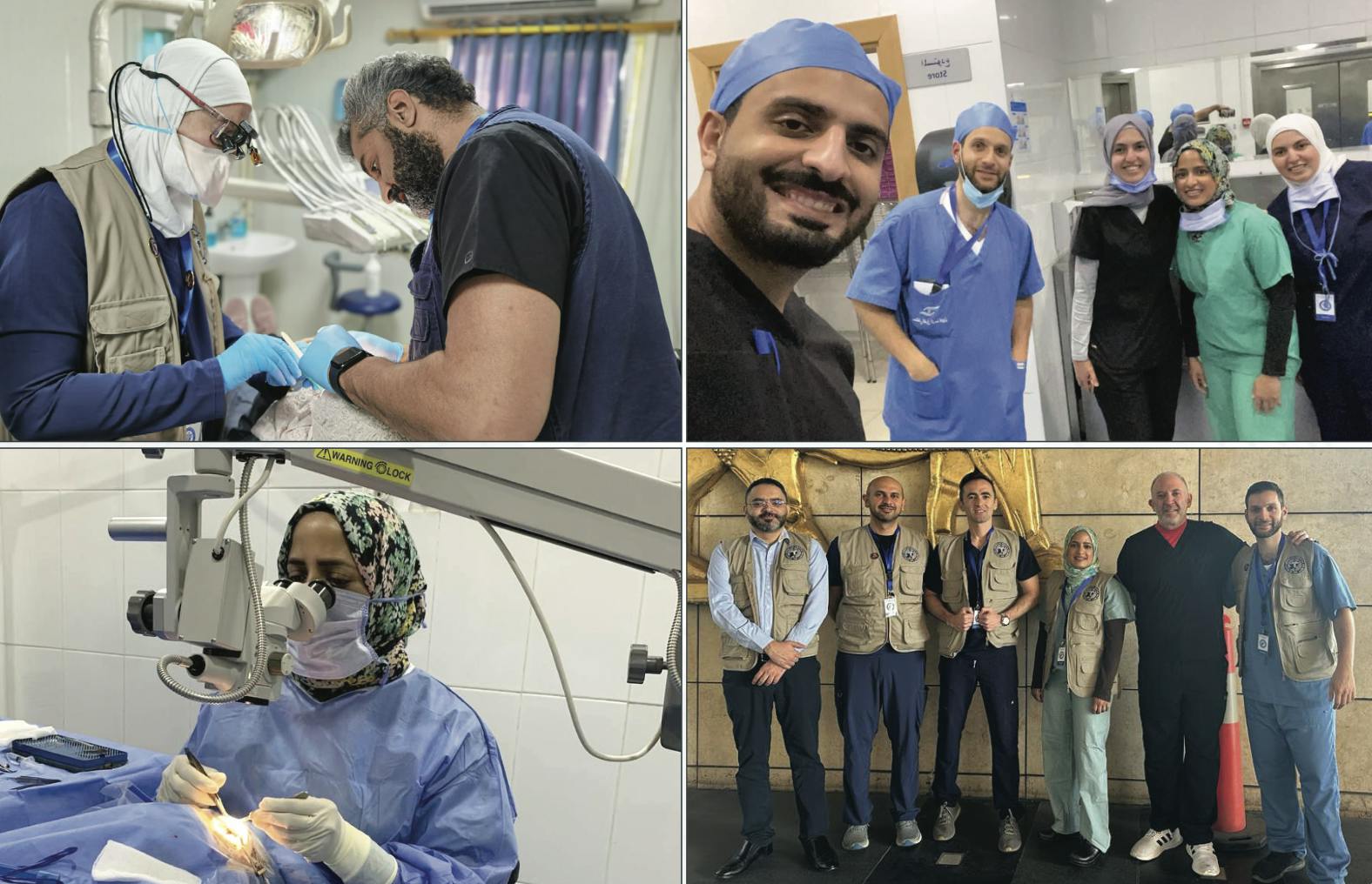
Figure 2. A team of ophthalmologists (shown bottom right) worked at Middle East Eye Hospital in Jordan, where patients had been prescreened and were awaiting consultation or treatment. During their visit, the team performed 206 ophthalmic surgeries, including cataract surgeries, strabismus surgeries, intravitreal injections, laser treatments, and retinal surgeries.
GT: Can you describe the patients you served in Jordan? What are their greatest needs in eye care?
Zaiba Malik, MD: The patients I saw were mostly from a variety of refugee populations, with some living in camps and some who have left camps and integrated into the surrounding neighborhoods. Most have limited economic resources, are uninsured, and are unable to access local government care. The greatest needs we met were for cataract extraction, diabetes treatments such as injections and lasers, and pediatric strabismus surgery. Other vision services such as spectacle correction and glaucoma care are likely needed, but funding is limited.
GT: You mentioned previously in an article for GT that programs such as SAMS exemplify a long-term commitment to sustainable eye care. What are some ways this program collaborates with the local community to address eye care needs in the long term?
Dr. Malik: The SAMS program works with local hospitals and on-the-ground teams to coordinate eye care for these vulnerable populations long before the surgical/interventional teams arrive. Patient screenings and evaluations are conducted by local ophthalmologists. Once the next visiting team is identified, the patients are triaged and referred back to the clinics. For our patients with diabetes, who make up a cohort of 80 individuals, local ophthalmologists will treat them as necessary before the next international team member can return. None of this would be possible without on-the-ground SAMS offices, government support, and generous donations from local ophthalmologists and hospitals.
GT: How does the campaign focus on capacity-building programs for health care workers?
Dr. Malik: Officially, SAMS visits three times per year with large multispecialty groups; however, in between visits, many physicians return to help with follow-up and infrastructure planning. In addition, each trip includes education and training for local teams, who are already extremely proficient in their services. Local interns and residents also receive advanced training and surgical mentorship while there.
GT: Why were you drawn to this outreach program, and how did you become involved with it?
Dr. Malik: My faith emphasizes service and giving, and thus I was already connected with local community members who were fundraising for SAMS. Many of my friends in other medical specialties had traveled with SAMS previously, so I was familiar with their good work and their program’s model. I met Aref Rifai, MD, a retina specialist who leads ophthalmology outreach for SAMS, at an Islamic Medical Association of North America meeting, and he explained more about the needs of the organization. With more than a decade of experience working with other organizations, I felt my experience in medical outreach would be helpful and decided to follow up with him.
GT: What advice do you have for ophthalmologists who are interested in becoming involved with medical outreach work with this population or similarly vulnerable populations?
Dr. Malik: Start with educating yourself about the culture and populations you plan to serve. We need to move away from the one-time “medical mission.” It is more important to focus on capacity building and sustainability, even if that means less operating and more mentoring and working on the ground with nongovernmental organizations and local providers. The concept of skills transfer must also be considered. Volunteers should be open-minded enough to learn from local providers about how they operate with limited resources, including with procedures such as manual small-incision cataract surgery versus phacoemulsification, and different practice patterns based on the patient population’s ability to return for follow-up.