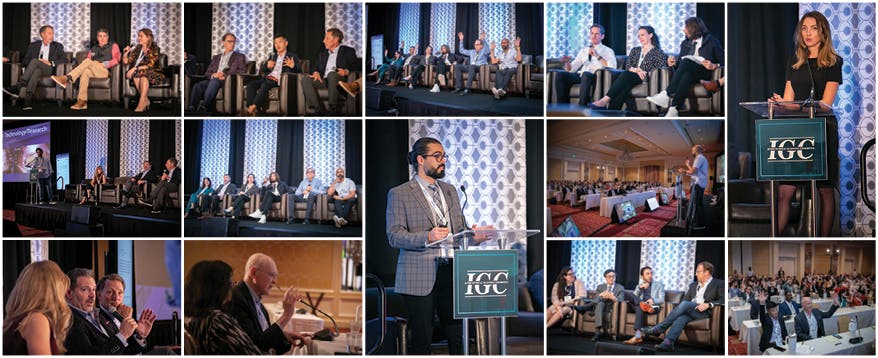
In October 2023, progressive glaucoma specialists convened for the 5th annual Interventional Glaucoma Consortium (IGC) in Salt Lake City. Curated and led by Program Chairs Iqbal Ike K. Ahmed, MD, FRCSC; Arsham Sheybani, MD; Rachel Simpson, MD; and Richard Lewis, MD, the IGC focused on promoting education and interaction on interventional glaucoma now and in the future. Key components included a dedicated IGC Fellows Program at Moran Eye Center, a full-day think tank for exchanging insights into a proactive approach to patient care, and surgical glaucoma wet labs.


IGC PROGRAM CHAIRS: IQBAL IKE K. AHMED, MD, FRCSC; ARSHAM SHEYBANI, MD; RACHEL SIMPSON, MD; AND RICHARD LEWIS, MD
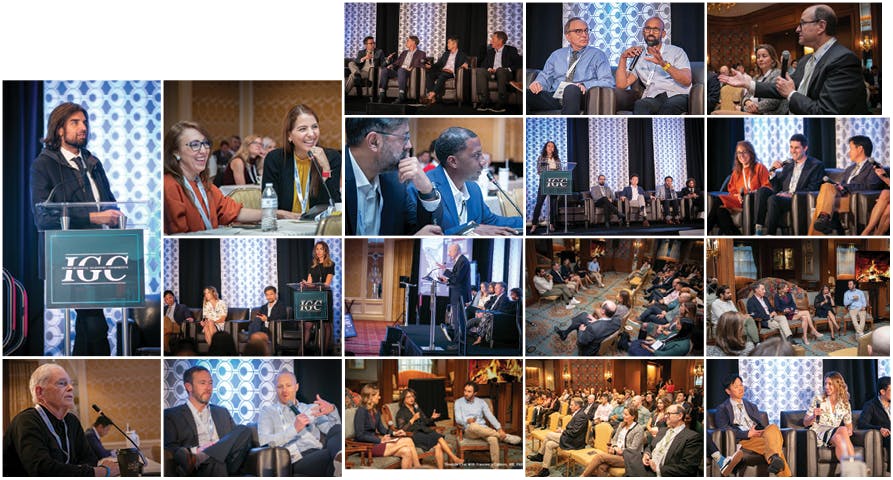
Hot Topics at the IGC
- Detection of Apoptosing Retinal Cells
- Practicing Interventional Glaucoma Today & in the Near Future
- New Technology Updates: Drug Delivery and Laser Therapies
- Snapshots of the Pipeline: Episcleral Venous Pressure (Qlaris Bio), Gene Therapy (Exhaura), The Calibreye System (Myra Vision), The Eyemate System (Implandata)
- Reimagining the Paradigm: Where Do New Treatments Fit?
- Surgical Cases: What Would You Do?
- Intraoperative OCT: Engineering & Clinical Applications
- Office-Based Glaucoma Surgery
- Leveraging Physician-Industry Relationships to Support Innovation
IGC FELLOWS FOCUS
Kaushik Annam, MD | Glaucoma fellow, Kellogg Eye Center, University of Michigan
Groggy after a late flight into Salt Lake City, I dragged my bags to the train headed for the Little America Hotel. This was my first time attending the IGC. At the suggestion of one of my attendings, I had decided to see what the conference was about. While I had gone to a number of surgical courses during my training, I soon learned that the IGC was a different intellectual and hands-on experience altogether.
Through three educational components—the IGC Fellows Program, the IGC, and the IGC Fellows Wet Labs—I discovered new perspectives in glaucoma management. Alongside my peers, I had the opportunity to hear from thought leaders such as Francesca Cordeiro, MD, PhD, who discussed neuroprotection and the detection of apoptosing retinal cells, and Dr. Sheybani who reviewed the role of the suprachoroidal space in identifying new treatment options. The program was not just limited to the latest in glaucoma innovation, however; insights into more traditional techniques such as trabeculectomy and tube shunt surgery were a focus as well, with Joseph Panarelli, MD, and Mary Qiu, MD, providing their practice pearls.
As fellows, we often wonder how physicians outside our immediate training sphere approach diagnosis and treatment. What are they doing that my mentors and I are not? Could I be approaching this problem differently? Attending the IGC gave me a glimpse into some of the answers to these questions. Perhaps one of the most revealing exercises we did was the MIGS case reviews session, during which the fellows were grouped into teams and asked to devise treatment algorithms in a variety of clinical scenarios. After each case, attendings from around the room would weigh in. Hearing from and speaking with glaucoma specialists from across the country, I was able to better understand different viewpoints on topics both straightforward and complex.
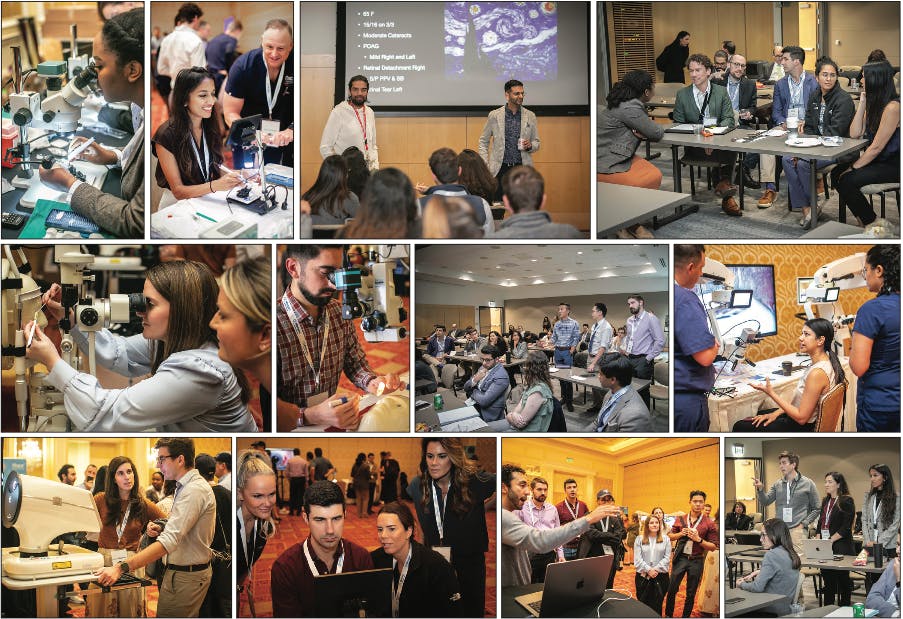
The IGC concluded with a wet lab session on Sunday. There, I was able to practice using an array of surgical instruments, some of which I already had exposure to and others that I had never seen before. Opportunities like these are valuable in helping me shape my surgical preferences for the future. The program also presented an excellent venue to network and grow closer to colleagues and mentors in the glaucoma community. I appreciated the chance to reconnect with my peers, meet new ones, and get to know some of their attendings. These are the same physicians I interviewed alongside and are the ones I will become familiar with over the course of my career.
As the last day of the IGC wrapped up and I headed back to the airport, I took a minute to recognize the value of the weekend’s proceedings. This conference was a unique, motivating experience and one that few others can match. As my practice as a glaucoma specialist evolves over time, the IGC will continue to have an impact on what that means.
Jon Williams, MD | Glaucoma fellow, NYU Langone Health
In the dynamic landscape of ophthalmology, where advancement is rapid, the 2023 IGC highlighted the promising future of the surgical management of glaucoma. As a glaucoma fellow, I found it motivating to listen to leading experts in the field talk about upcoming developments in glaucoma care. The focus on interventional strategies underscored the paradigm shift in glaucoma management that has emerged over the past decade.
One highlight of the conference for me was the IGC Fellows Program. This course consisted of a series of lectures by leading glaucoma specialists, including Dr. Cordeiro who also delivered a keynote lecture the following day at the main IGC symposium. The talks at the fellows course covered a wide range of topics, from evaluating clinical trials to imaging modalities to incorporating MIGS, microinvasive bleb surgery, and traditional incisional glaucoma surgeries into practice. My favorite session of the day was one in which the fellows were split into groups, presented with surgical cases, and asked to list their top three surgical interventions for each case. It was fun to hear how fellows from different institutions would approach various clinical presentations and to hear the faculty’s feedback on how they would manage each case.
Perhaps the most enriching aspect of the IGC was the opportunity to engage in one-on-one discussions with multiple leaders in the field and to see other fellows I had the privilege of meeting previously on the fellowship interview trail. Networking events and panel discussions facilitated meaningful exchanges, enabling fellows like me to pose questions, seek mentorship, and gain insights into the professional journeys of those who have paved the way in glaucoma.
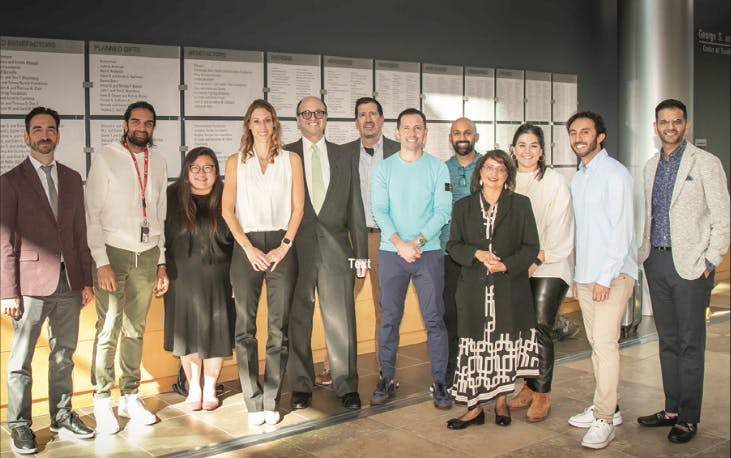
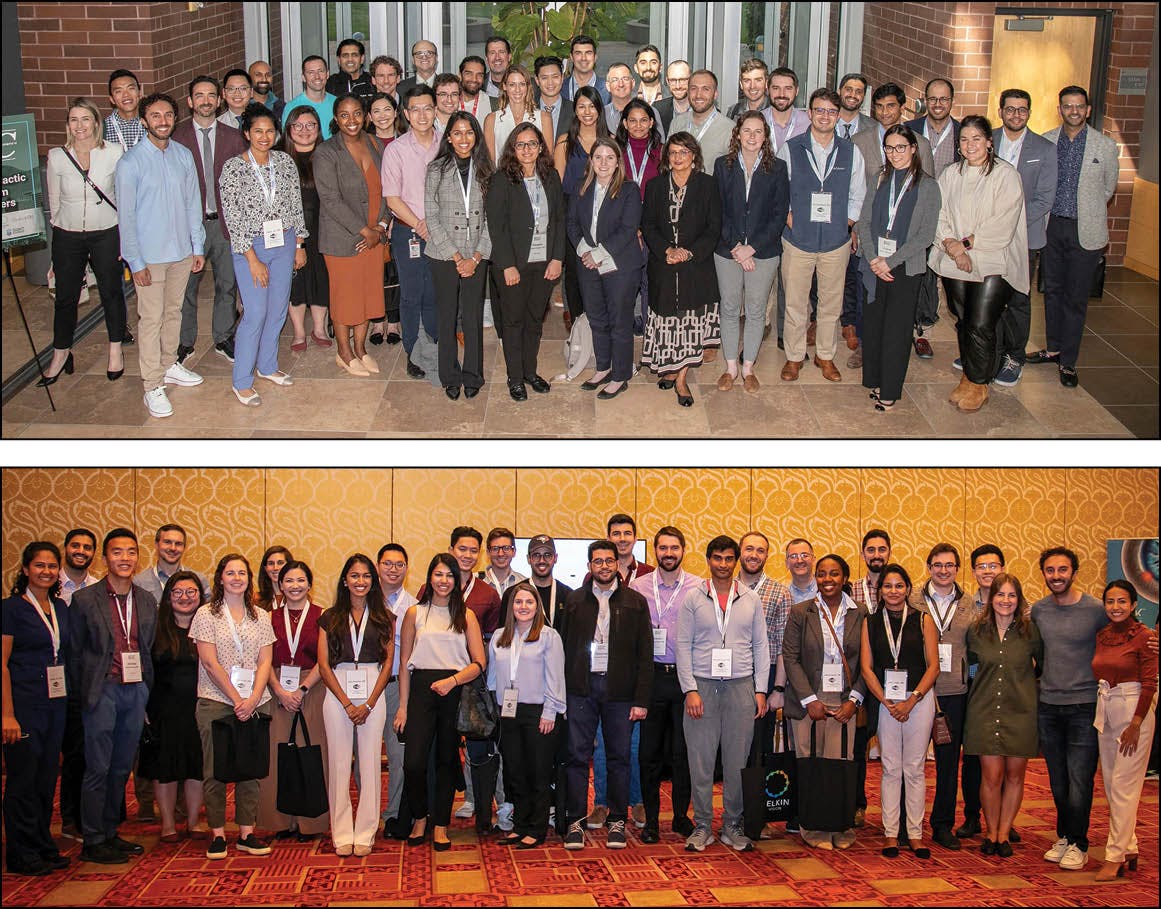
IGC Fellows Program Faculty: Matt Schlenker, MD, MSc; Iqbal Ike K. Ahmed, MD, FRCSC; Mary Qiu, MD; Rachel Simpson, MD; Joel Schuman, MD; Ian Conner, MD, PhD; Joseph Panarelli, MD; Manjool Shah, MD; Francesca Cordeiro, MD, PhD; Erin Sieck, MD; Arsham Sheybani, MD; Irfan Kherani, MD; and Shamil Patel, MD (not pictured)
On Sunday, the IGC concluded with a series of wet labs showcasing the major MIGS devices on the market. IGC Program Chair Dr. Sheybani also set up a station to review surgical videos and discuss techniques employed in the cases shown. These workshops provided an invaluable opportunity to refine practical skills and to meet with industry representatives.
Overall, I had a great experience at the 2023 IGC. As I returned home from Salt Lake City, I felt motivated by the lessons I learned and the passion for the field that I saw from the faculty. I would highly recommend attending the IGC to any trainee pursuing a glaucoma fellowship in the future, as the meeting has been a highlight of my training so far.
Thanks to the 2023 IGC Sponsors
Founding: AbbVie
Gold: Alcon
Silver: Glaukos, New World Medical, Nova Eye Medical, Sight Sciences, Zeiss
Bronze: iCare, MicroSurgical Technology
Early Stage: Belkin, Elios, iStar Medical, ViaLase
Fellows Program: AbbVie, Alcon, Belkin, Glaukos, New World Medical, Nova Eye Medical, Sight Sciences
WiFi: Avisi Technologies
Meeting App: Elios
Scholarships: MyEyes, Myra Vision