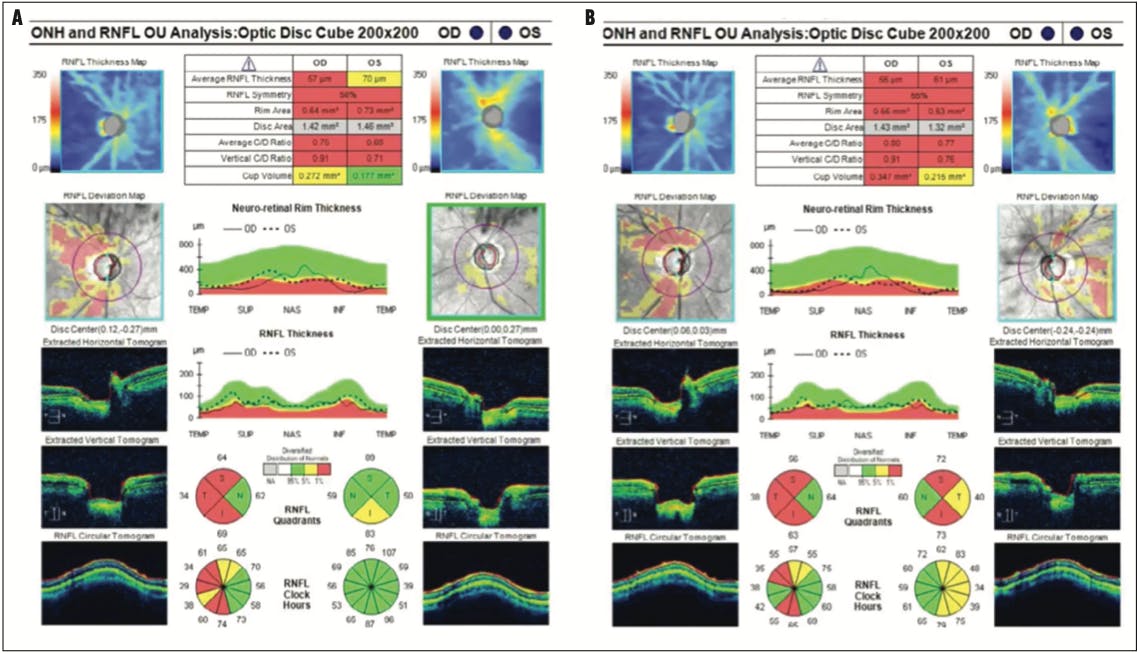
A. patient was referred to me in 2015. OCT imaging showed significant thinning of the retinal nerve fiber layer in the right eye and ganglion cell complex loss in the left (healthier) eye (Figure 1). Visual field testing showed paracentral loss in the right eye (Figure 2). BCVA was 20/100 OD and 20/20 OS. The patient was prescribed multiple medications but had difficulty adhering to topical therapy. Her eyes were red and irritated.
In the patient's right eye, IOP was in the upper 20s mm Hg. Implantation of a Xen Gel Stent (AbbVie) a few years ago lowered the IOP to the midteens, where it has remained stable since.
In the patient’s left eye, IOP fluctuated between 13 and 21 mm Hg (average in the midteens). The only topical agent she could tolerate was preservative-free tafluprost (Zioptan, Théa Pharma). Several selective laser trabeculoplasty procedures were also performed, but prostaglandin analogue therapy was still required for IOP control. Given her medication intolerance and fluctuating IOP (likely due to poor compliance), I continued to recommend surgical intervention to stabilize the IOP in the left eye. The patient, however, was resistant to surgery.
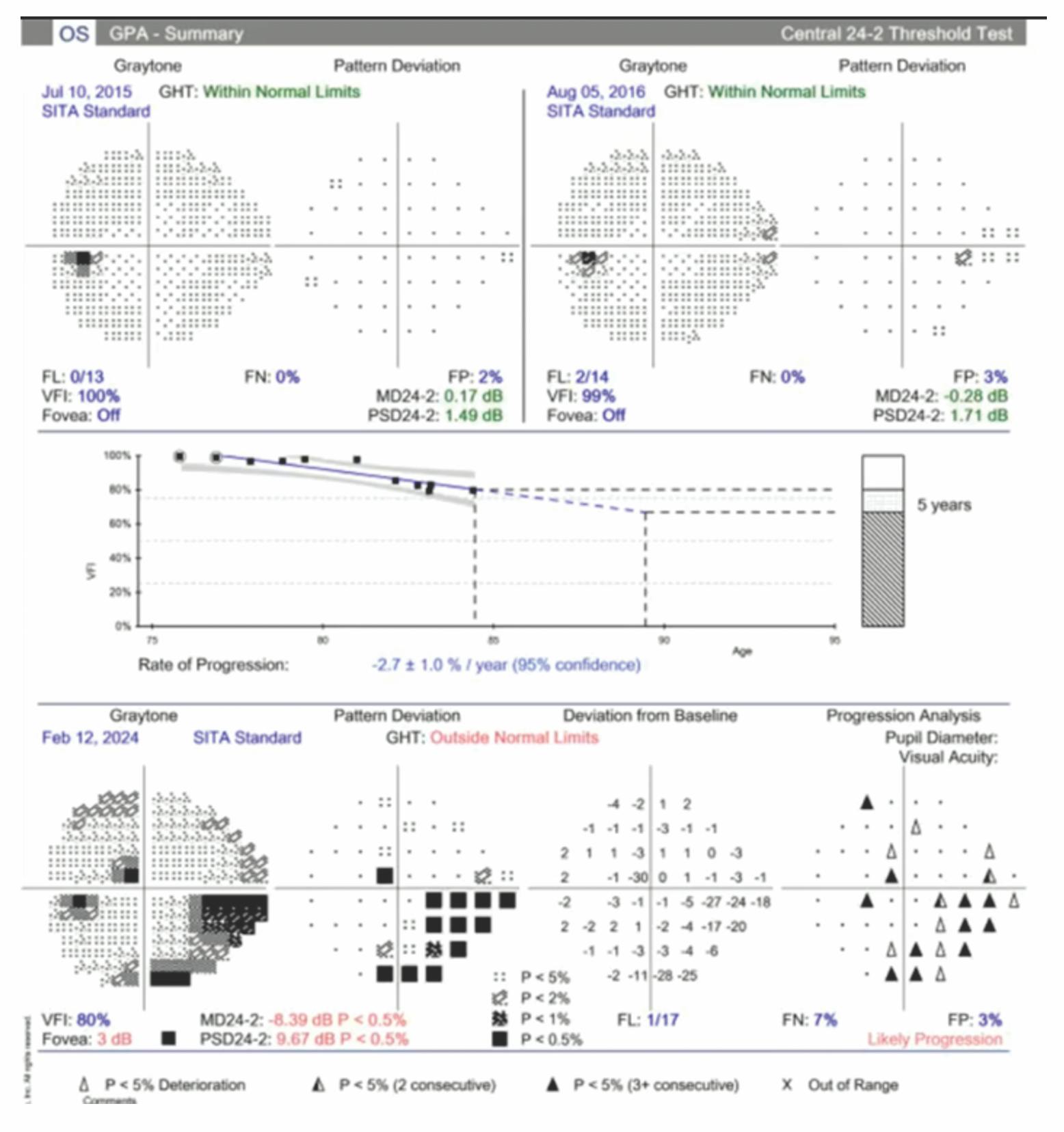
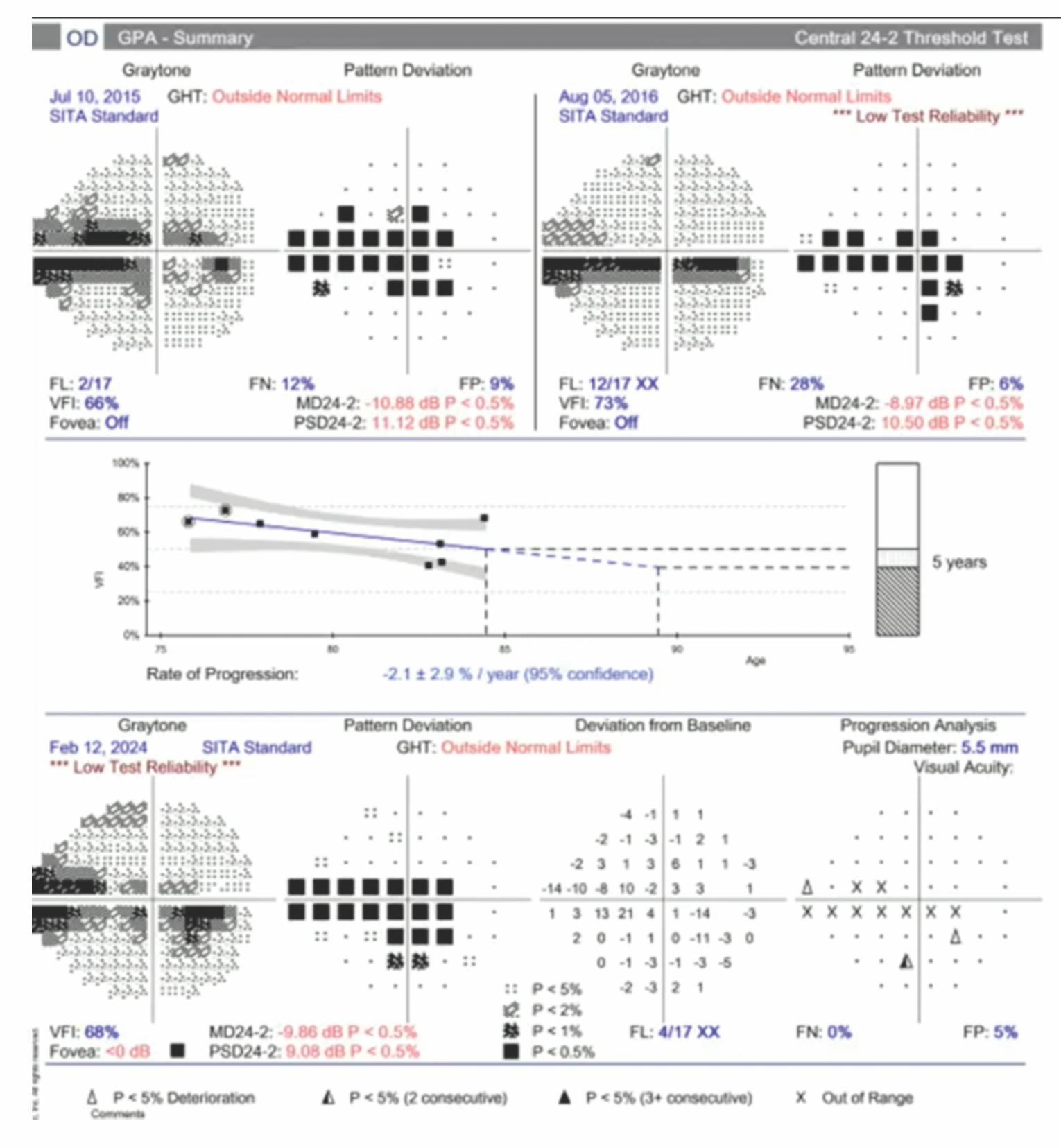
Figure 3. Visual field testing of the left eye showed progression from preperimetric disease to severe disease in less than a decade.
I reviewed the patient’s visual field testing of the left eye with her, which showed significant progression from preperimetric to severe disease in less than a decade (Figure 3). After further discussion, the patient agreed to proceed with implantation of a travoprost intracameral implant 75 µg (iDose TR, Glaukos). With this approach, my objective was to minimize the fluctuating IOP rather than further reduce the IOP.
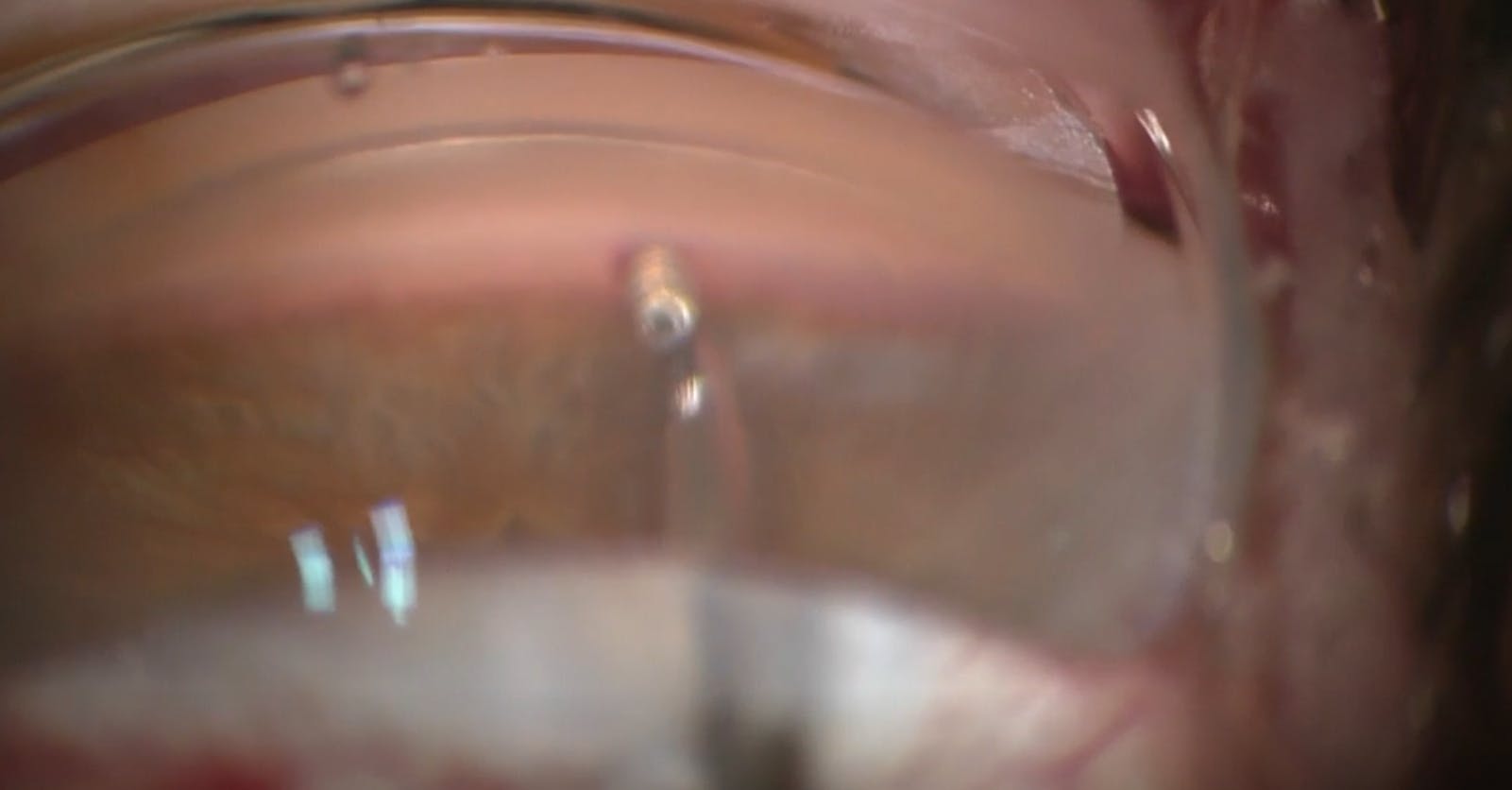
iDose Implantation
Since implantation of the intracameral travoprost device, the patient's IOP has remained between 13 and 15 mm Hg on no medication. Her eyes are less hyperemic, and she states that her vision is more stable (likely from increased tear film stability).