CASE PRESENTATION
A 68-year-old man presents for routine glaucoma care. The patient has severe glaucoma that is worse in the left eye. Eight years ago, he underwent a trabeculectomy with an Ex-Press glaucoma filtration device (Alcon) in the right eye. One year ago, a Xen Gel Stent (AbbVie) was implanted in the left eye. His current drug regimen consists of a fixed combination of dorzolamide and timolol administered twice daily in the left eye.
On examination, the patient’s UCVA is 20/20 OD and 20/100 OS. His IOP is 12 mm Hg OD and 14 mm Hg OS. The right eye has a thin cystic bleb. The left eye has a diffuse bleb and a well-positioned Xen implant. Trace nuclear sclerotic cataracts are evident in both eyes. A fundus examination finds optic nerve cupping that is greater in the left eye (Figure 1). Humphrey visual field testing (Carl Zeiss Meditec) shows a superior arcuate scotoma in the right eye and a superior altitudinal defect in the left eye (Figure 2). OCT imaging reveals severe cupping and thinning of the retinal nerve fiber layer in both eyes (Figure 3).
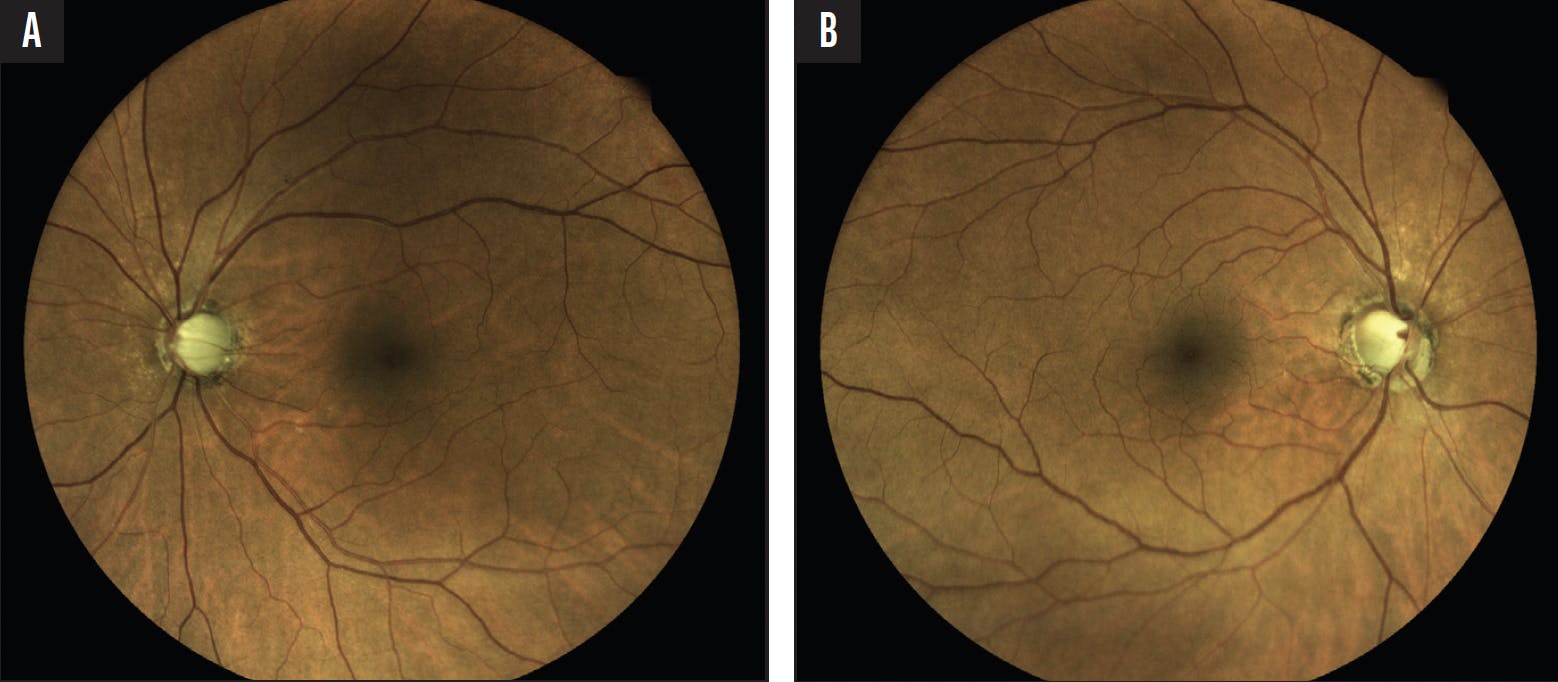
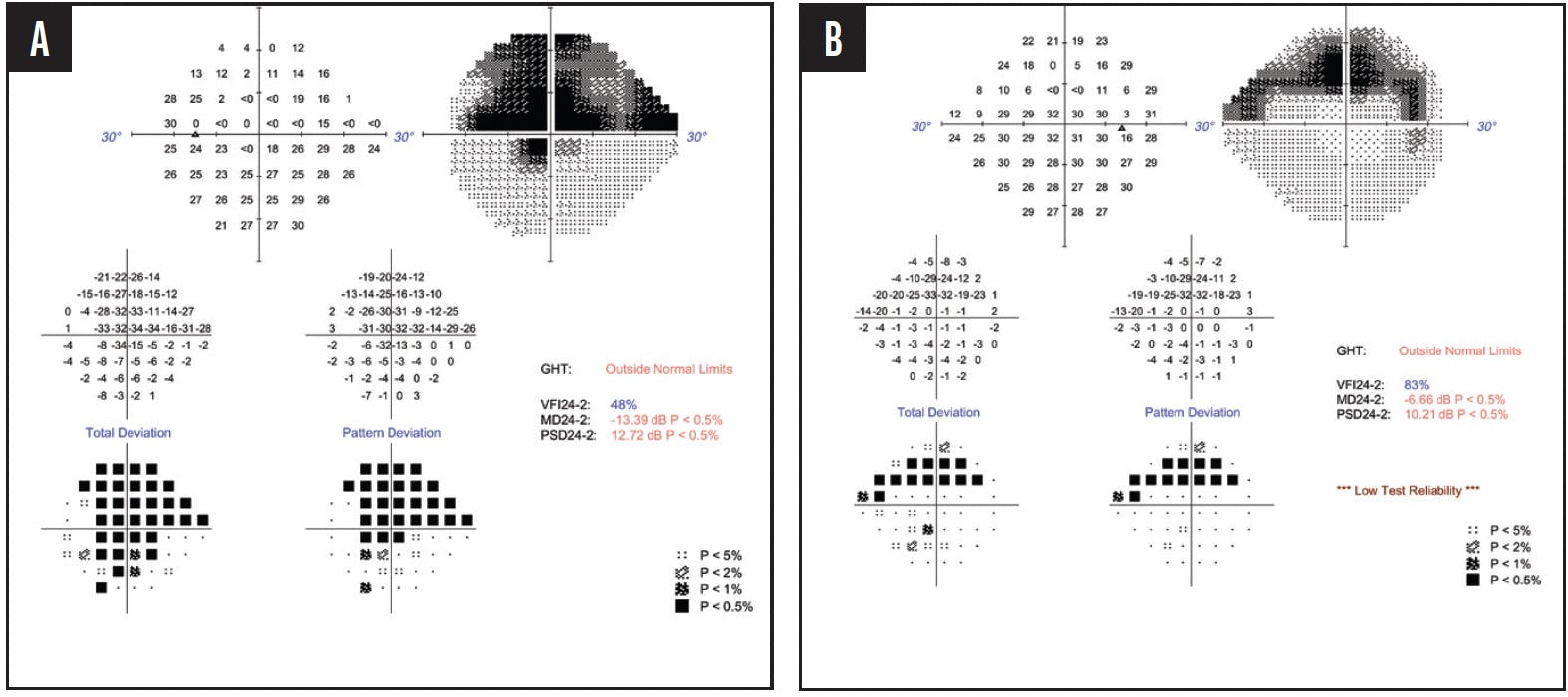
Figure 2. Humphrey visual field testing shows a superior arcuate scotoma in the right eye (A) and a superior altitudinal defect in the left eye (B).
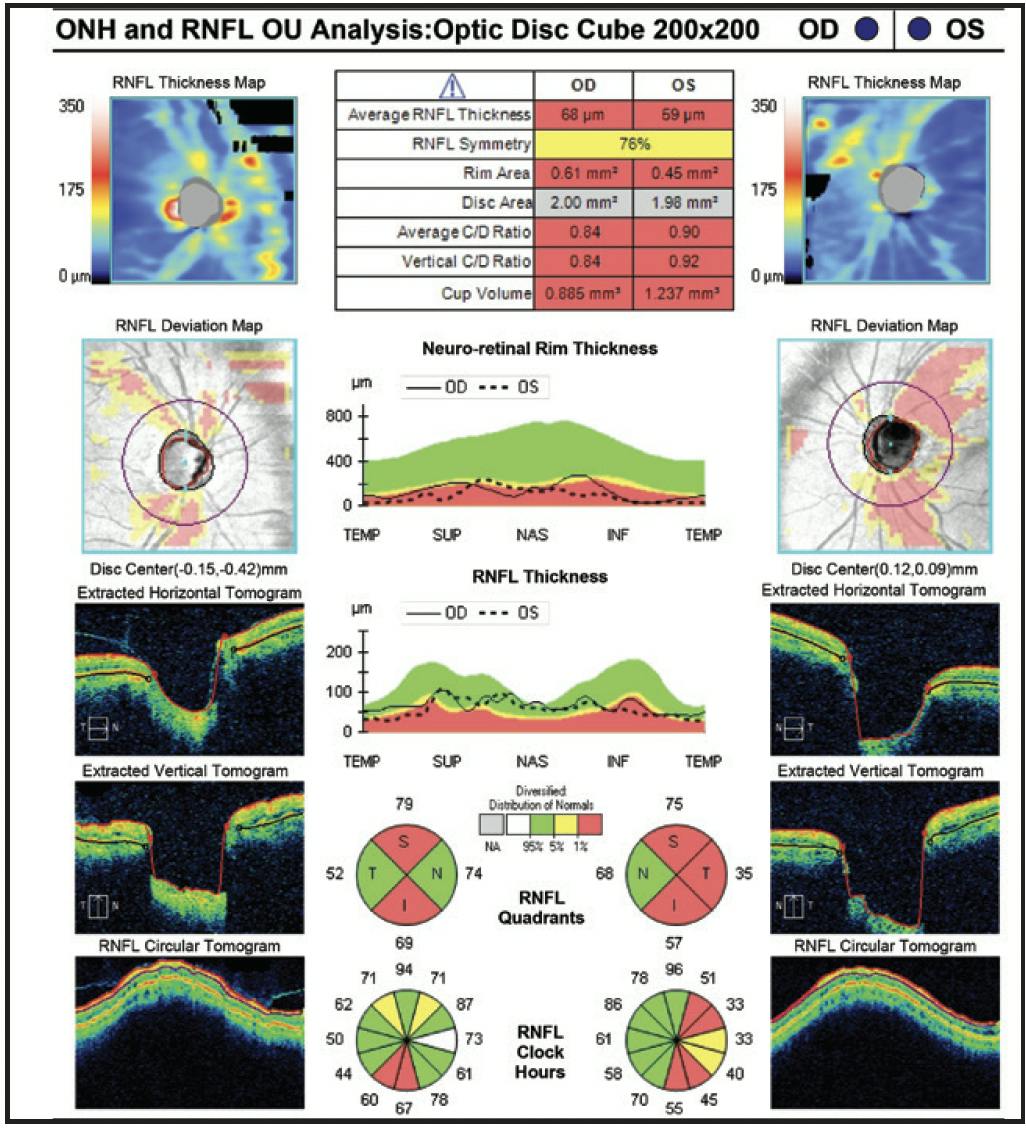
Figure 3. OCT imaging reveals severe cupping and thinning of the retinal nerve fiber layer in both eyes.
The patient is informed that his glaucoma is severe but appears to be stable. He asks if he should be worried about the frequent tearing he is experiencing in his right eye. Upon reexamination, a Seidel test of the bleb in that eye is positive (Figure 4).
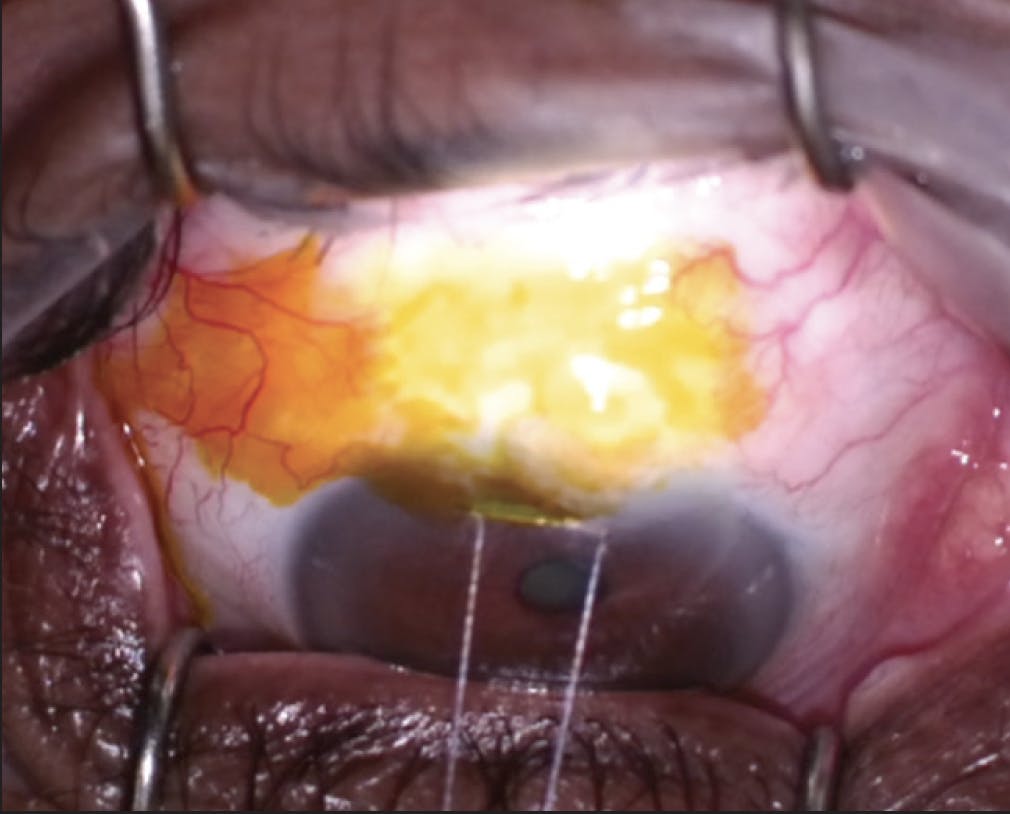
How would you counsel the patient, and how would you proceed?
—Case prepared by Jacob Brubaker, MD
AUSTIN BOHNER, MD, AND CRAIG CHAYA, MD
The patient has severe glaucoma with central vision loss in the left eye and should be considered monocular. Counseling would focus on the goal of reducing the risk of bleb-related infection; when a leak is present, the estimated 5-year incidences of blebitis and bleb-associated endophthalmitis are 0.55% and 0.45% to 1.3%, respectively.1
Therapy with a broad-spectrum topical antibiotic would be initiated. Closure attempts would begin with conservative measures, such as aqueous suppression with or without a large-diameter contact lens. If these fail, surgical intervention would be pursued.
The patient would be informed that the best surgical strategy may not become apparent until the tissue is evaluated in the OR. Generally, however, our preferred surgical repair technique is to excise necrotic tissue and advance healthy conjunctiva (see Watch It Now). The approach is time-consuming but preserves the flap filtration architecture. A sharp instrument is used to facilitate the dissection plane. We favor a diamond trifacet blade for this purpose because it allows us to “fillet” the conjunctiva from the Tenon layer with exquisite control. If inadequate conjunctival tissue remains for closure, shunt removal and patch grafting might be necessary. If the conjunctival tissue is tight, a relaxing fornix incision at the bulbar-palpebral junction could provide maximal mobility for repair.
The patient would be monitored closely following surgery to ensure IOP stability and prevent complications. He would be taught to recognize the signs of bleb-related infection and counseled on his potential need for additional surgery if the bleb scars down.
PETER T. CHANG, MD
A late-onset bleb leak is a potentially vision-threatening complication of a filtering procedure. Persistent leakage significantly increases the risk of blebitis, endophthalmitis, hypotony maculopathy, a shallow anterior chamber, and choroidal effusion. Many conservative management strategies have been described, including therapy with aqueous suppressants, the placement of a bandage contact lens, pressure patching, and an autologous blood injection. Successful resolution of a bleb leak, however, often requires surgical revision.
The patient would be counseled on the risk of IOP elevation and frank bleb failure with surgical revision. My colleagues at Baylor College of Medicine and I published a large series of surgical revision procedures for leaking blebs.2 Approximately two-thirds of the eyes required glaucoma medication, and 10% of the eyes needed additional glaucoma surgery during the follow-up period, which averaged about 2.5 years.
Because the bleb leak is in the patient’s better-seeing eye, I would recommend prompt surgical revision. Given the lack of hypotony, the bleb is likely underfiltering. He would therefore be advised of the high probability that medical therapy will be required to control his IOP postoperatively. On the day of surgery, scleral tissue would be available for possible reinforcement because it is difficult to predict what the status of the original scleral flap will be after the overlying conjunctiva is removed. Ultimately, the priority would be to resolve the leak while preserving bleb function if possible (see Watch It Now).
CONSTANCE OKEKE, MD, MSCE
The patient would be counseled that a bleb leak can allow bacteria to enter and cause an infection, such as blebitis or endophthalmitis. He would be reassured that there are currently no signs of infection but informed of the need for prompt treatment.
A bandage contact lens would be placed to cover the leak, and antibiotic treatment would be initiated. I favor gentamicin for its wound-healing properties. The patient would also be instructed to wear an eye shield at night to prevent trauma, and the dosing frequency of the aqueous suppressant would be increased to three times daily to reduce flow and facilitate closure. If progress is observed in 7 to 10 days, treatment would be continued for another 2 to 3 weeks. Alternatively, if these conservative measures fail and the patient hesitates to undergo surgery, adjunctive therapies such as the placement of fibrin glue or an amniotic membrane could be employed to promote closure and stabilize the bleb.
Should bleb revision surgery prove necessary to advance healthy conjunctiva and excise thin ischemic tissue, the patient would be counseled on the potential risks, including reduced bleb function requiring additional medications or surgery, refractive changes, and adjustments to his glasses. On the positive side, successful revision might improve bleb control and reduce his dependence on topical medication (see Watch It Now).
Close follow-up would be essential to monitor outcomes and ensure the patient’s safety.
GEORGE R. REISS, MD
The presence of gram-positive and occasional gram-negative pathogens in external ocular tissues is a silent threat with even the most recent iterations of filtration procedures. Routine lid hygiene can reduce pathogenic bacterial levels in the lashes and lids after filtration surgery. For many years, I have counseled our patient to be on the alert for redness, irritation, and tearing because they are some of the earliest warning signs of a bleb leak or epithelial breakdown.
The patient would be asked to wear an eye shield at night to prevent nocturnal rubbing. An autologous blood injection would then be performed around the bleb to encourage healing. More than one injection might be required. An advantage of this strategy is it usually requires no cutting or suturing of the conjunctiva. If the bleb leak persists, Palmberg compression sutures would be placed directly over the leak if possible in an effort to induce vascularization resulting in spontaneous closure. For a localized leak, a tapered 10-0 nylon needle passed either through an obvious single buttonhole or around a hole or tear combined with one of the aforementioned noninvasive methods might resolve the problem.
Should the leak persist, a sliding conjunctival graft could be fashioned from behind the functional bleb, whose surface would be devitalized with the careful application of absolute alcohol. Advancing the tissue and carefully tacking it down with minimal tension could revitalize the surface as a barrier to infection. (A posterior relaxation incision in the conjunctiva could be made and sutured down to the episclera.)
An alternative technique is shown in an elegant video by Dan Eisenberg, MD (see Watch It Now). Side incisions are created in the bleb, and a rectangular cryopreserved amniotic membrane graft (AmnioGraft, BioTissue) is passed through them. The patch graft is then sutured down on both sides so that it can act as a scaffold to encourage healing while protecting the underlying sclerostomy and scleral flap from exposure to external pathogens.
WHAT I DID: JACOB BRUBAKER, MD
In challenging situations like this one, it is imperative to communicate to the patient not only the seriousness of the diagnosis but also confidence in the treatment plan. The surgeon must have a fundamental understanding of bleb revision techniques.
When discussing bleb revision surgery, I explain the severity of the patient’s condition, the surgical plan, and the realities of postoperative recovery. I also express confidence that the situation can be resolved and the eye can be saved.
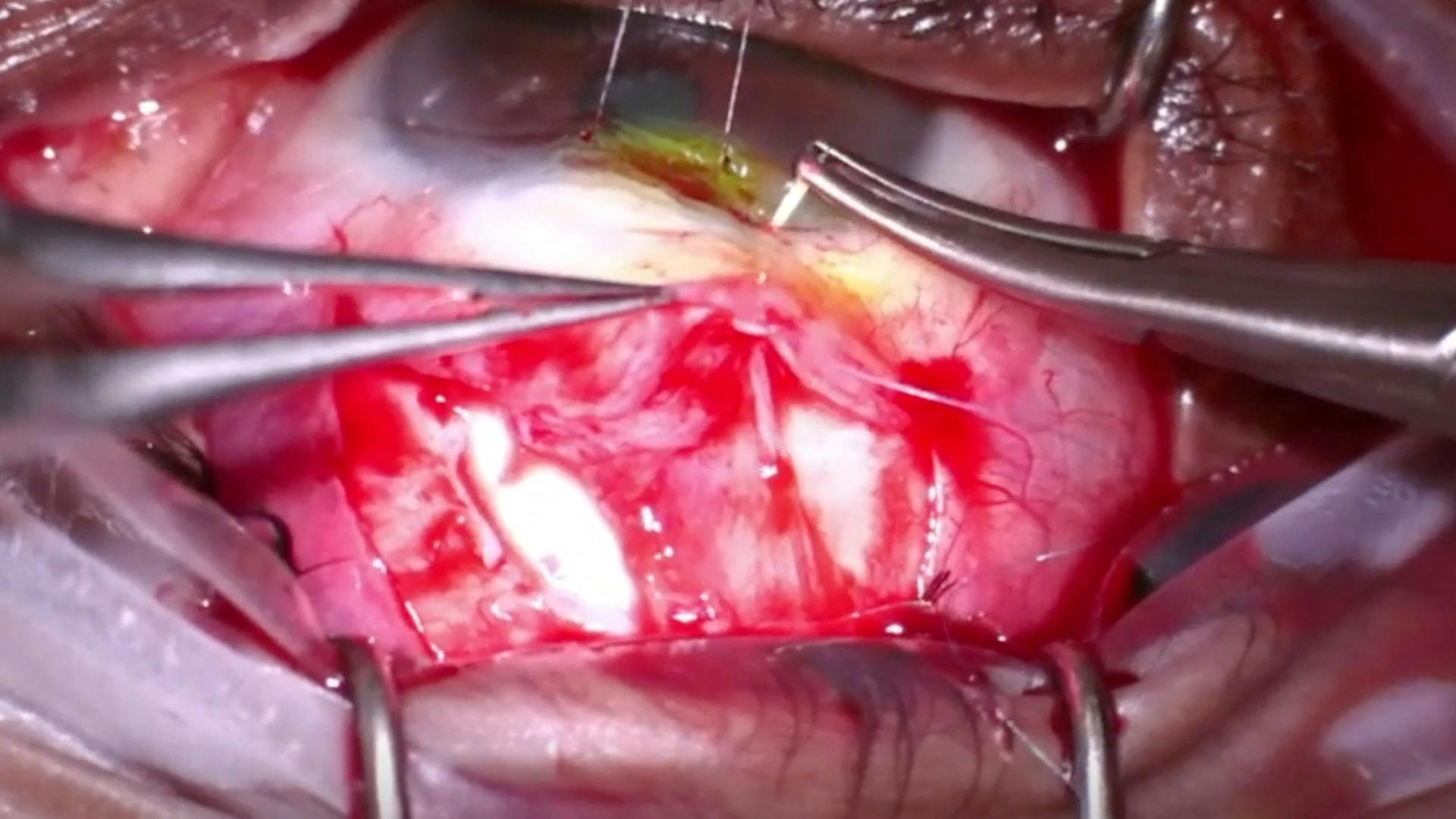
Early in my career, I simply advanced superior conjunctiva over a leaky bleb, but my success rate with this procedure was unacceptable. Significant conjunctival retraction and a resumption of leakage often occurred. I used my current approach in this case (see Watch It Now):
- Step No. 1: A traction suture was placed. Lidocaine with epinephrine was injected into the viable conjunctival space above the bleb.
- Step No. 2: Three spaces were dissected. First, the conjunctival layer was incised linearly above the bleb space. Care was taken to free the conjunctiva from the Tenon capsule (Figure 5). Next, this capsule was dissected superior to the bleb to create a tongue of Tenon membrane (Figure 6). Finally, dissection inferiorly and under the bleb was performed to create space (Figure 7).
- Step No. 3: The eye was closed with a double-armed 9-0 polypropylene suture (Prolene, Ethicon) in a sandwich technique. Several bites were taken along the tip of the tongue of Tenon membrane with one end of a polypropylene needle. Each arm of the suture was then passed under the bleb, through the limbus, and into clear cornea on either side of the bleb (Figure 8). This allowed the tongue of tissue to be brought into and under the bleb. Next, the conjunctiva was advanced over the bleb, creating the second half of the sandwich. Initially, the conjunctiva was anchored to both sides of the limbus on either side of the anterior edge of the bleb with a 7-0 polyglactin suture (Vicryl, Ethicon). The polypropylene suture previously passed under the bleb was then run along the limbus to anchor the remainder of the conjunctiva (Figure 9) until the other suture end was met. The two ends were tied together (Figure 10), completing the sandwich and the bleb revision.
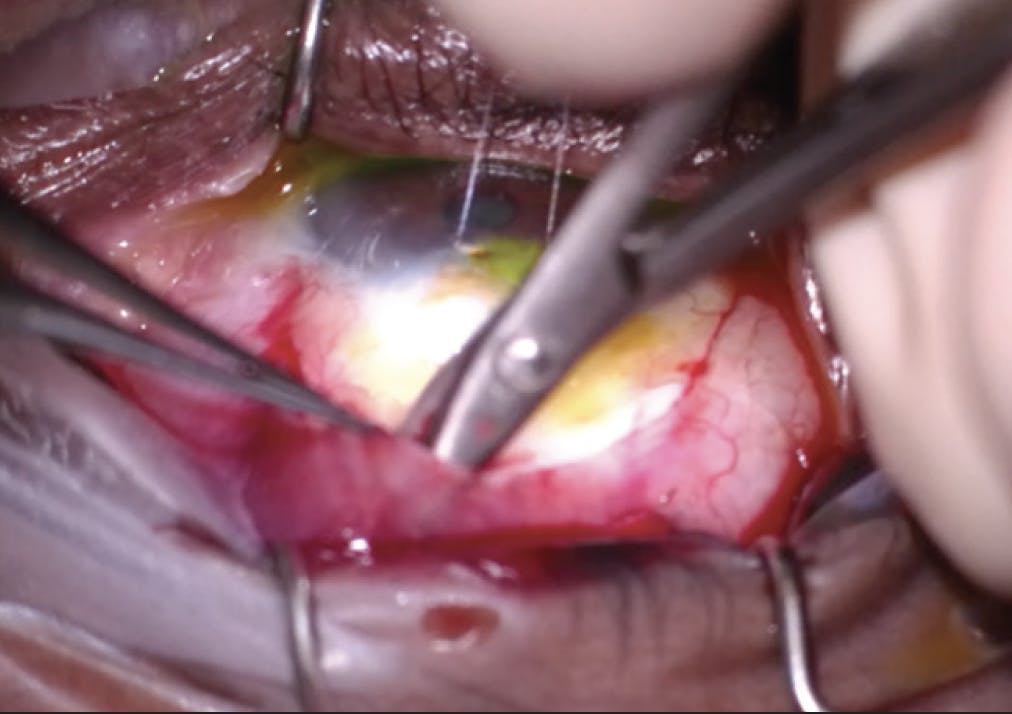
Figure 5. The bleb revision is initiated with dissection through and under the superior conjunctiva.
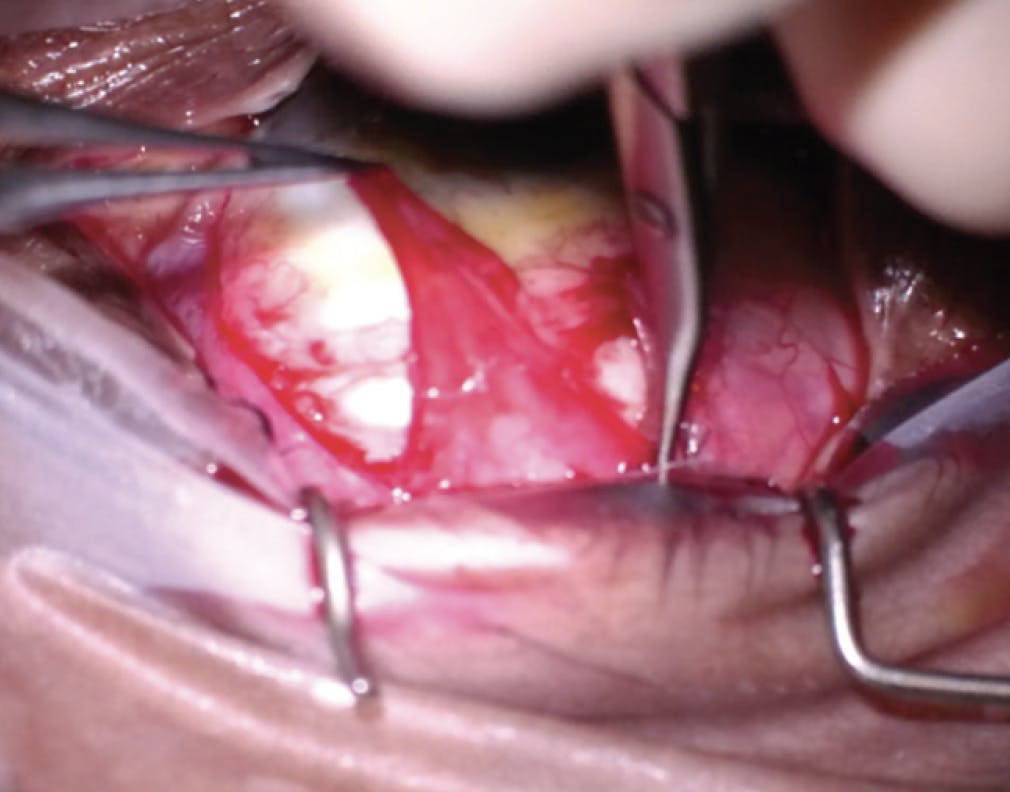
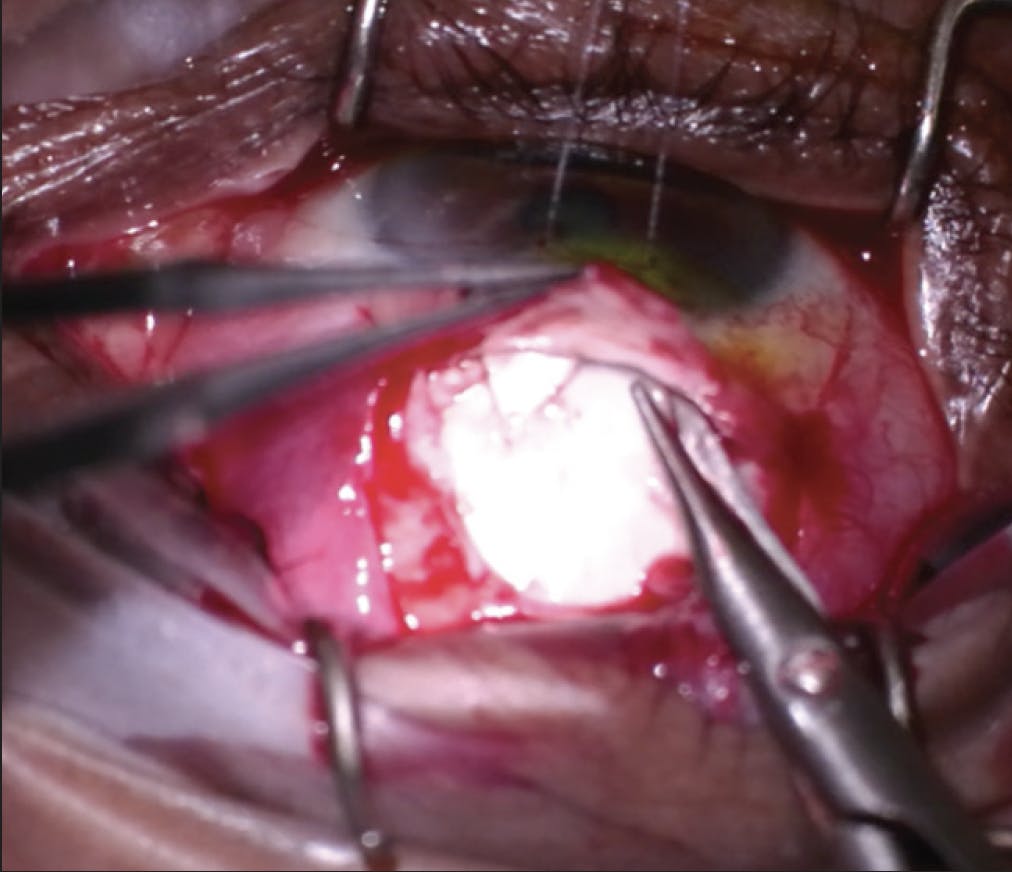
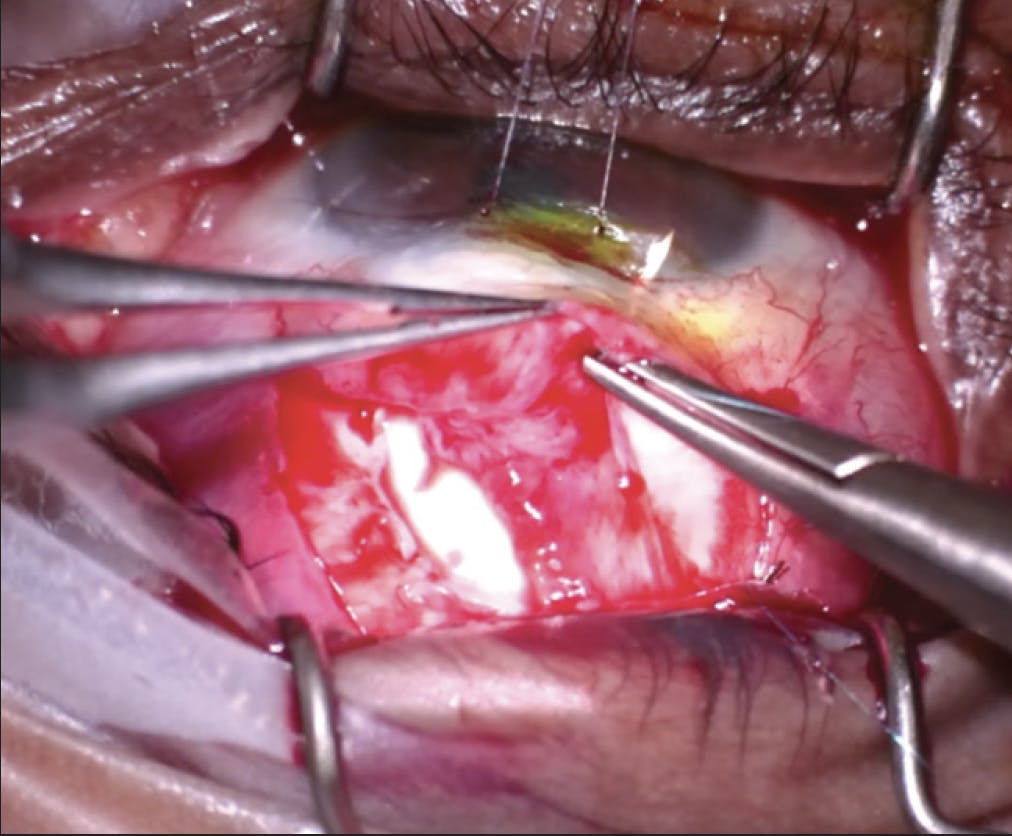
Figure 8. The tongue of Tenon membrane is advanced into and under the bleb space with one end of a 9-0 polypropylene suture.
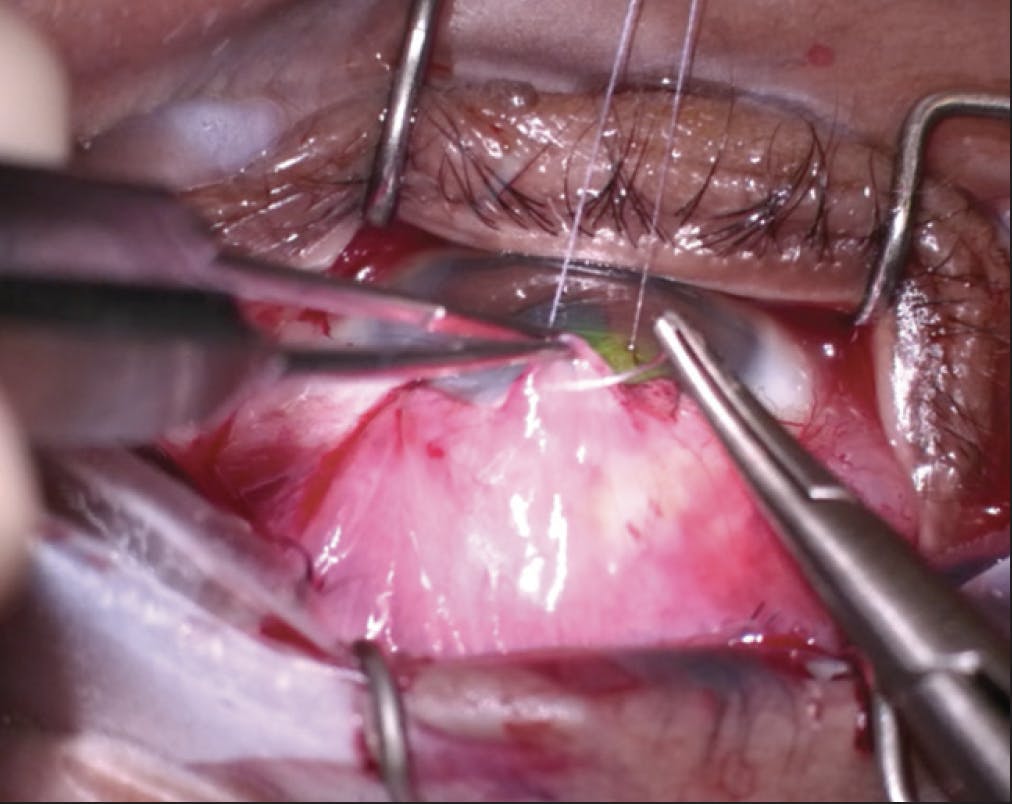
Figure 9. The conjunctiva along the limbus anterior to the bleb is closed with a 9-0 polypropylene suture.
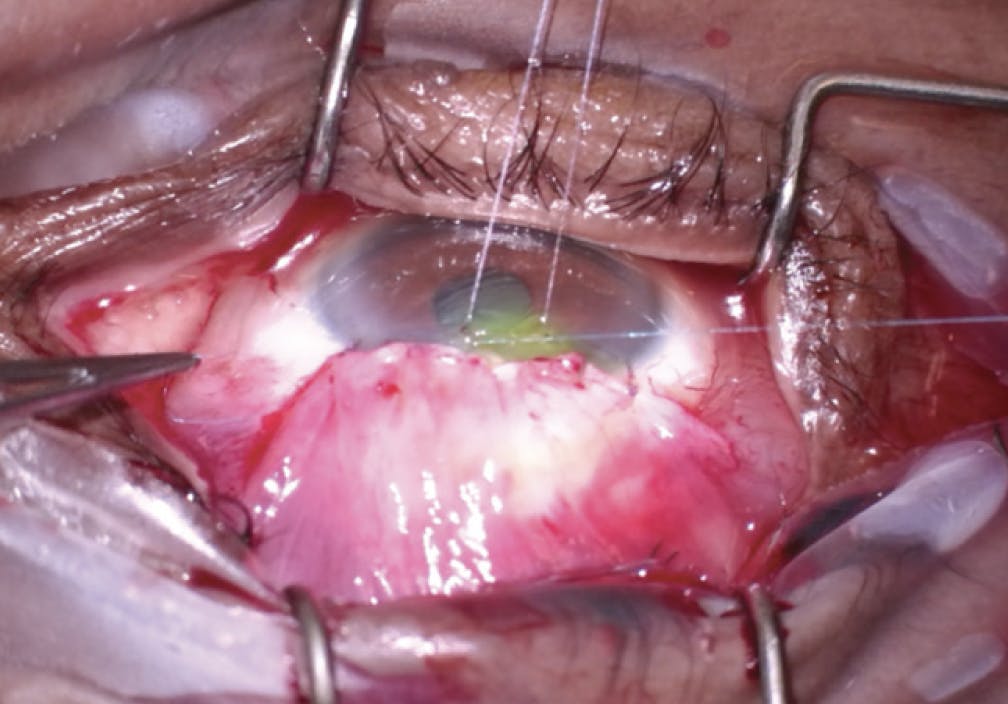
I have found this revision technique to be highly effective for sealing bleb leaks. Because of the extensive dissection performed around and under the bleb, moreover, the likelihood of its survival is high in my experience. I also like the security of maintaining the bleb structure, especially the anterior aspect, to help prevent new leaks.
On postoperative day 1, the patient’s UCVA was 20/400 OD, and the IOP was 28 mm Hg. Therapy with a fixed combination of dorzolamide and timolol was initiated. The following week, his UCVA was 20/50 OD, and the IOP was 17 mm Hg. At his most recent follow-up visit, 2 months after the surgical revision, his UCVA was 20/20 OD, and the IOP was 14 mm Hg. The patient, although quite nervous before the procedure, was happy with his result.
WATCH IT NOW
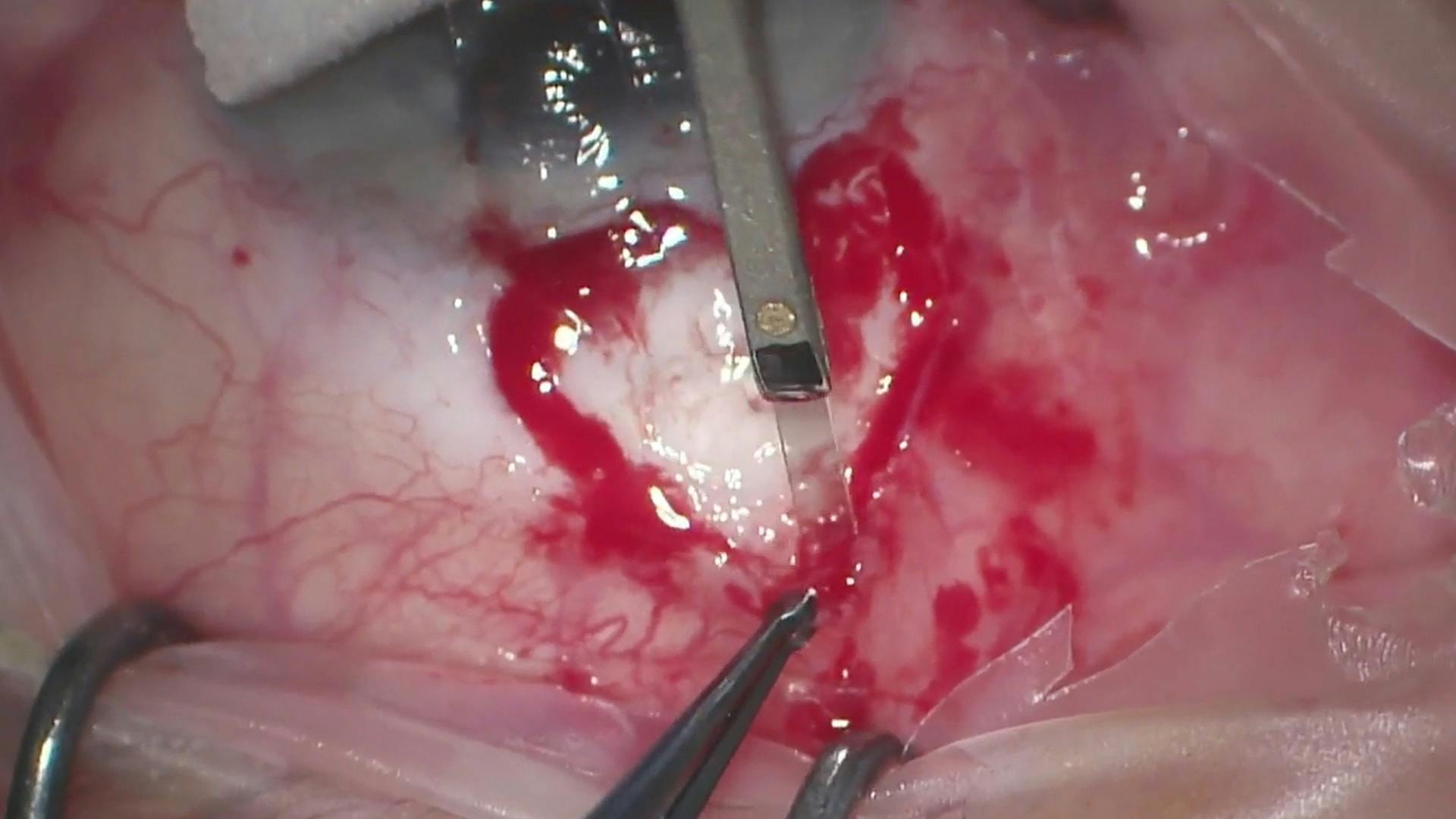
EXCISE AND MOBILIZE: A BLEB REVISION TECHNIQUE
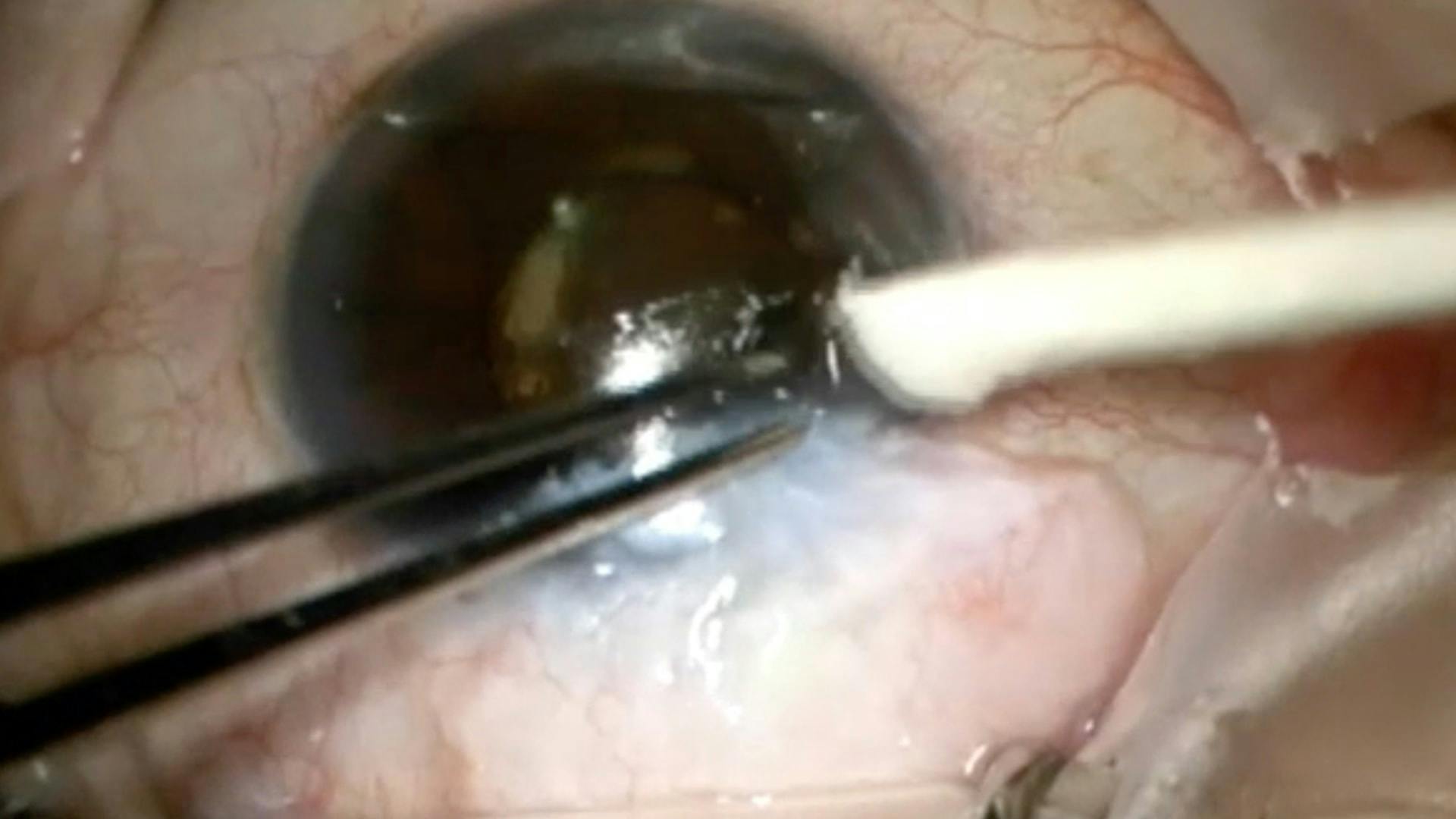
TRABECULECTOMY BLEB REVISION
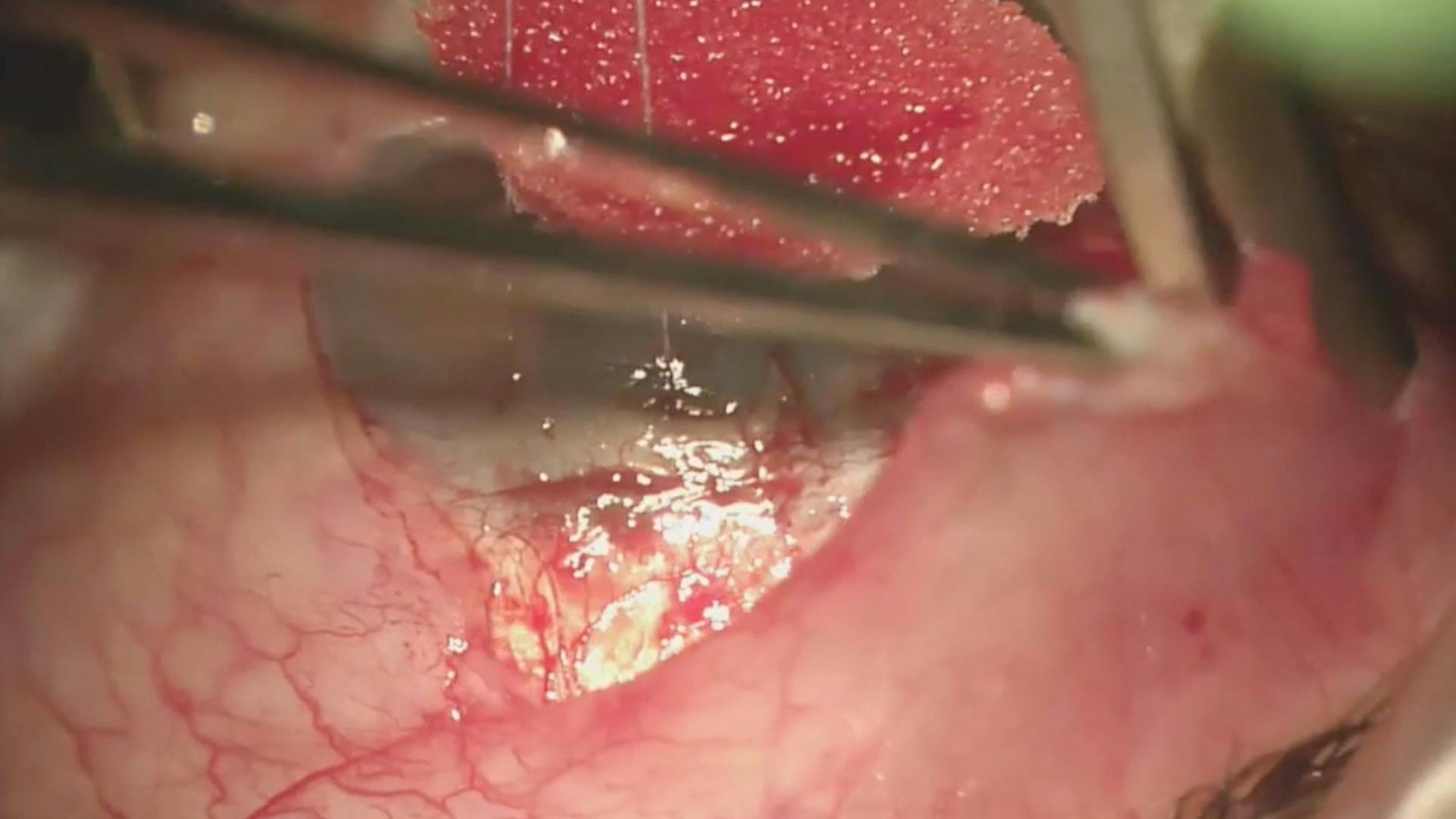
COMPLEX BLEB REVISION SIMPLIFIED
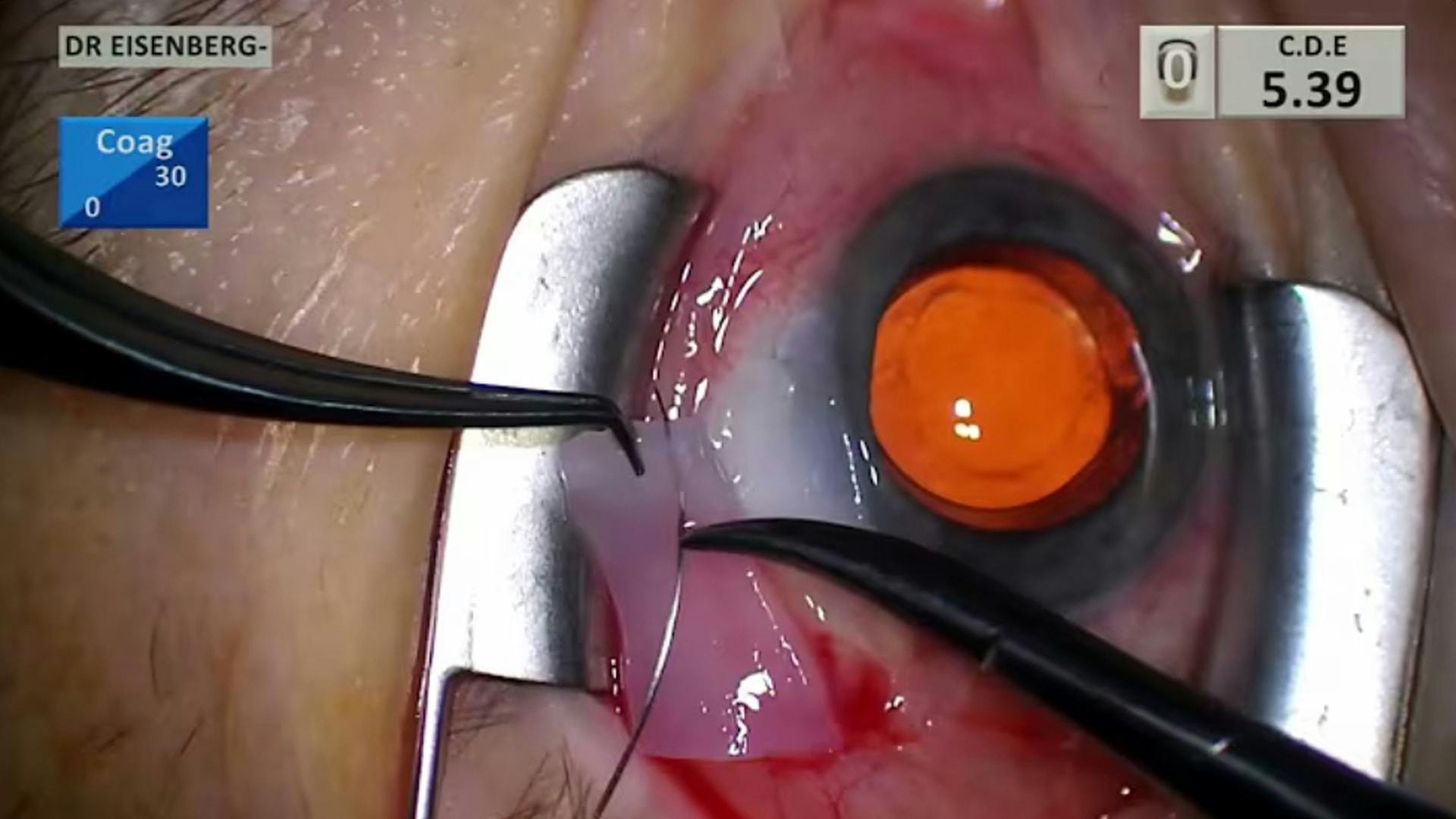
GLAUCOMA BLEB LEAK REPAIR WITH AMNIOGUARD
SANDWICH BLEB REPAIR TECHNIQUE
1. Vaziri K, Kishor K, Schwartz SG, et al. Incidence of bleb-associated endophthalmitis in the United States. Clin Ophthalmol. 2015;9:317-322.
2. Lin AP, Chung JE, Zhang KS, et al. Outcomes of surgical bleb revision for late-onset bleb leaks after trabeculectomy. J Glaucoma. 2013;22(1):21-25.