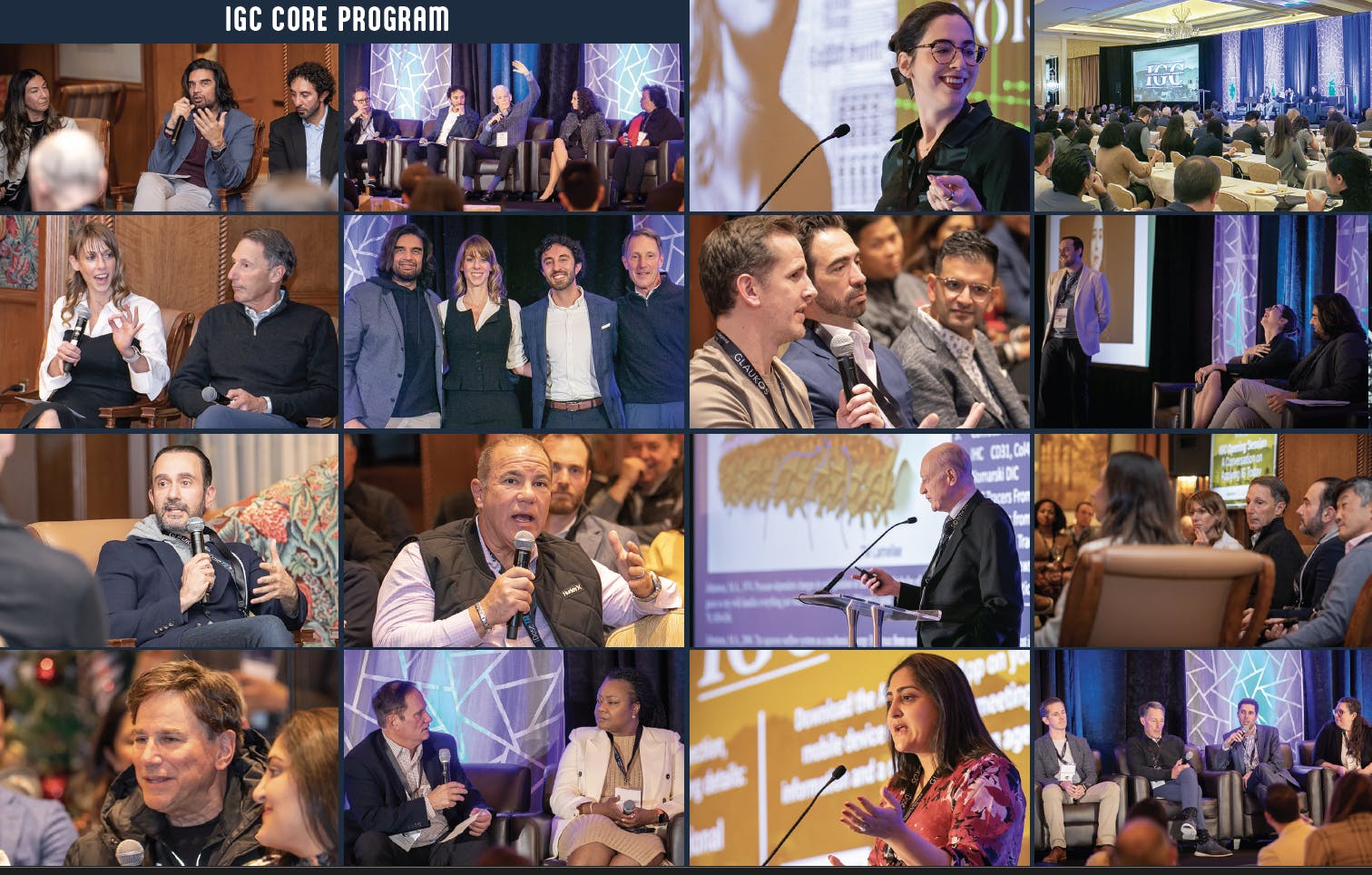
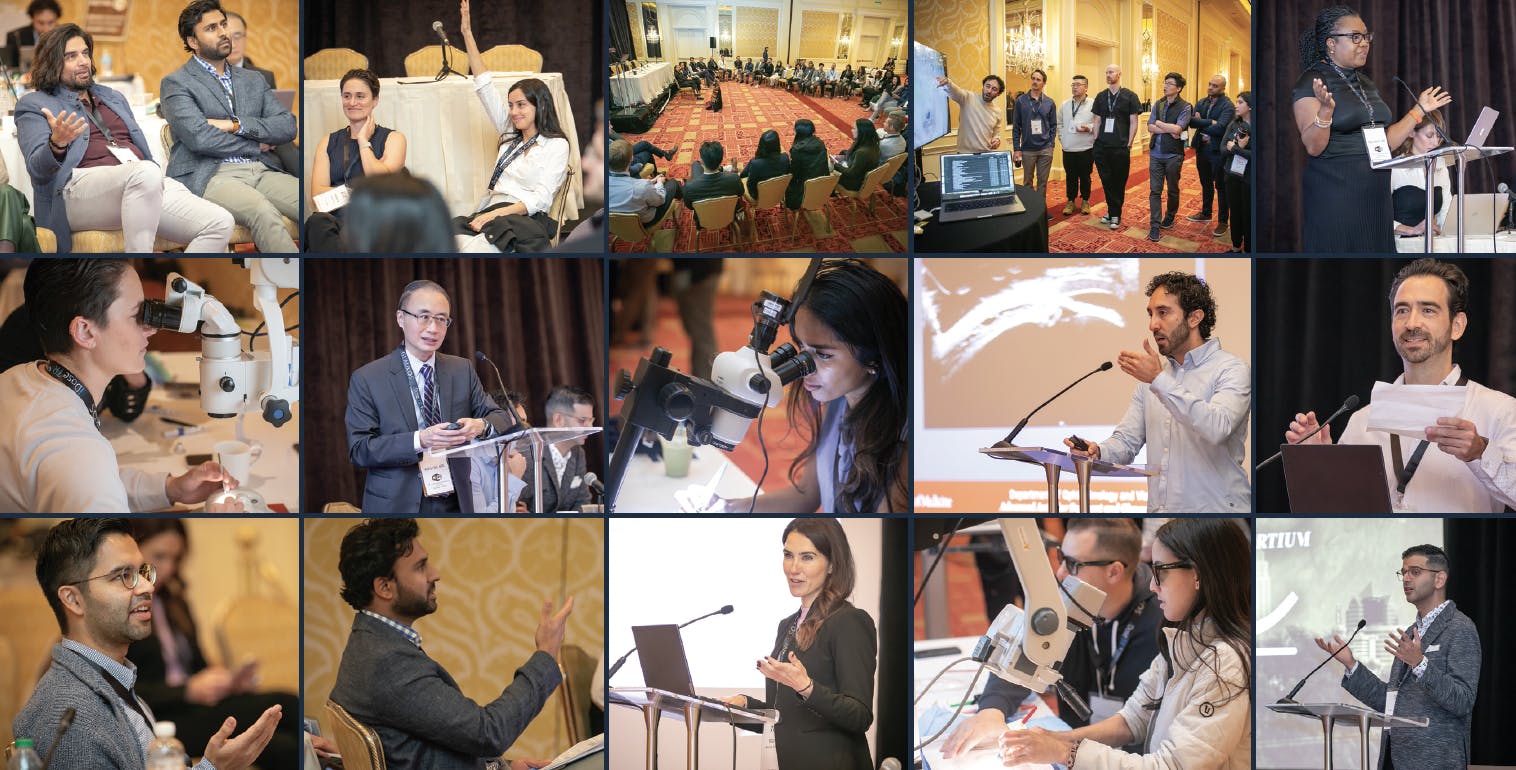
In November 2024, progressive glaucoma specialists convened for the 6th annual Interventional Glaucoma Consortium (IGC) in Salt Lake City. Curated and led by Program Chairs Iqbal Ike K. Ahmed, MD, FRCSC; Arsham Sheybani, MD; Rachel Simpson, MD; and Richard Lewis, MD, the IGC focused on promoting education and interaction on interventional glaucoma now and in the future. Key components included a dedicated IGC Fellows Program, a group-wide conversation on challenges to applying interventional glaucoma today, a full-day think tank for exchanging insights on a proactive approach to patient care, and surgical glaucoma wet labs.
Hot Topics at the IGC
- Selective Laser Trabeculoplasty as a First-Line Treatment
- Standalone MIGS Procedures
- Sustained-Release Drug Delivery
- Phacoemulsification Plus MIGS
- Alternative Bleb Procedures
- IOP and Disease Progression: Which Matters More?
- Continuous IOP Monitoring and Disease Management
- What Is Next for Glaucoma Surgery?
- Revisiting the Suprachoroidal Space
- Laser Treatments: Where Does Each Option Fit?
- Is There a Better Tube Shunt?
- Drainage Devices of Today and Tomorrow
- The Changing Glaucoma Practice
- Barriers to Adopting Newly Available Innovations
- Seeing the Light After Surgical Complications
THANKS TO THE 2024 IGC SPONSORS
Founding | AbbVie
Platinum | Glaukos
Gold | Alcon, Sight Sciences
Silver | iStar Medical, New World Medical, Nova Eye Medical, Théa
Bronze | BVI, iCare, Mobius Therapeutics
Early Stage | Elios Vision, Iantrek, Myra Vision, ViaLase
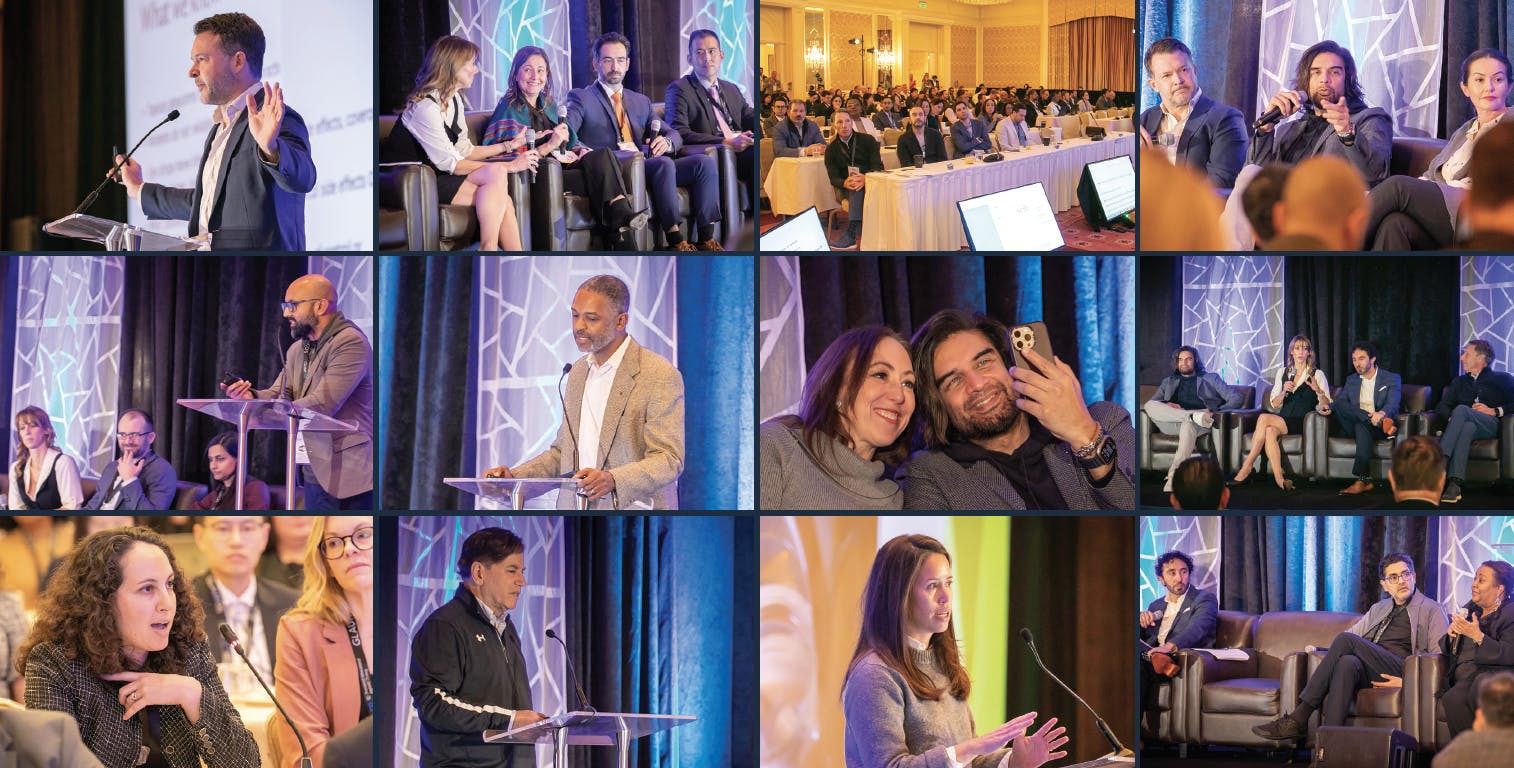
A FELLOW'S REFLECTIONS ON THE 2024 IGC

I was privileged to attend the 2024 IGC in Salt Lake City. Through various interactions with fellows and attendings from different programs and practices, I realized that glaucoma management remains an exciting topic to review.
At the IGC Fellows Program, I appreciated the diverse group of glaucoma specialists who gave lectures on how they use diagnostic tools such as OCT and ultrasound biomicroscopy to manage glaucoma. I realized that the analysis and use of these tools vary from provider to provider. This is particularly true of ultrasound biomicroscopy, because this tool was not used frequently in my residency or fellowship programs. One of my favorite discussions involved case reviews led by Iqbal Ike K. Ahmed, MD, FRCSC. All the fellows gathered in a large circle, and we reviewed different patient scenarios and shared how we would manage them and why. I was amazed by the split decisions between performing MIGS first versus primary tube shunt surgery versus trabeculectomy.
During the core IGC program, an entertaining session included debates between faculty members on topics such as first-line selective laser trabeculoplasty versus IOP-lowering drops. I appreciated how the speakers provided strong supporting evidence such as studies, issues with reimbursement and prior authorization, and challenges with patients’ preferences to support the position they were defending.
I also appreciated learning about some of the groundbreaking research and innovation taking place. One new device that caught my interest was the Calibreye System (Myra Vision), a titratable aqueous shunt with valve-controlled channels that can be reversibly and repeatedly opened or closed postoperatively using a laser. I look forward to trying this technology once approved.
Outside the meeting, I was able to join in a few special engagements, including an evening event hosted by Nova Eye Medical and a YoungMD Connect breakfast with Glaukos. Both engagements were small, intimate gatherings, during which we discussed MIGS (particularly the iTrack at the Nova Eye event and iDose at the Glaukos event), their benefits, and why certain approaches are preferred by some providers.
The IGC wet labs were a fun and interactive way to wrap up the meeting. I was able to try direct selective laser trabeculoplasty (Voyager, Alcon) for the first time and appreciated its speed and efficacy. I enjoyed getting to work with all the MIGS procedures available, including the Xen Gel Stent (AbbVie), Omni Surgical System (Sight Sciences), iStent (Glaukos), and iTrack. My favorite experience was using Streamline (New World Medical) for the first time and appreciating its multiple roles in viscodilation and goniotomy.
I appreciate all the time and effort that different groups, physicians, and staff committed to coordinating this educational and interactive meeting. I particularly want to thank my program director Shelly Jain, MD, for her support and for attending the 2024 IGC with me. We received valuable information from the conference that has directly affected our patient care.